
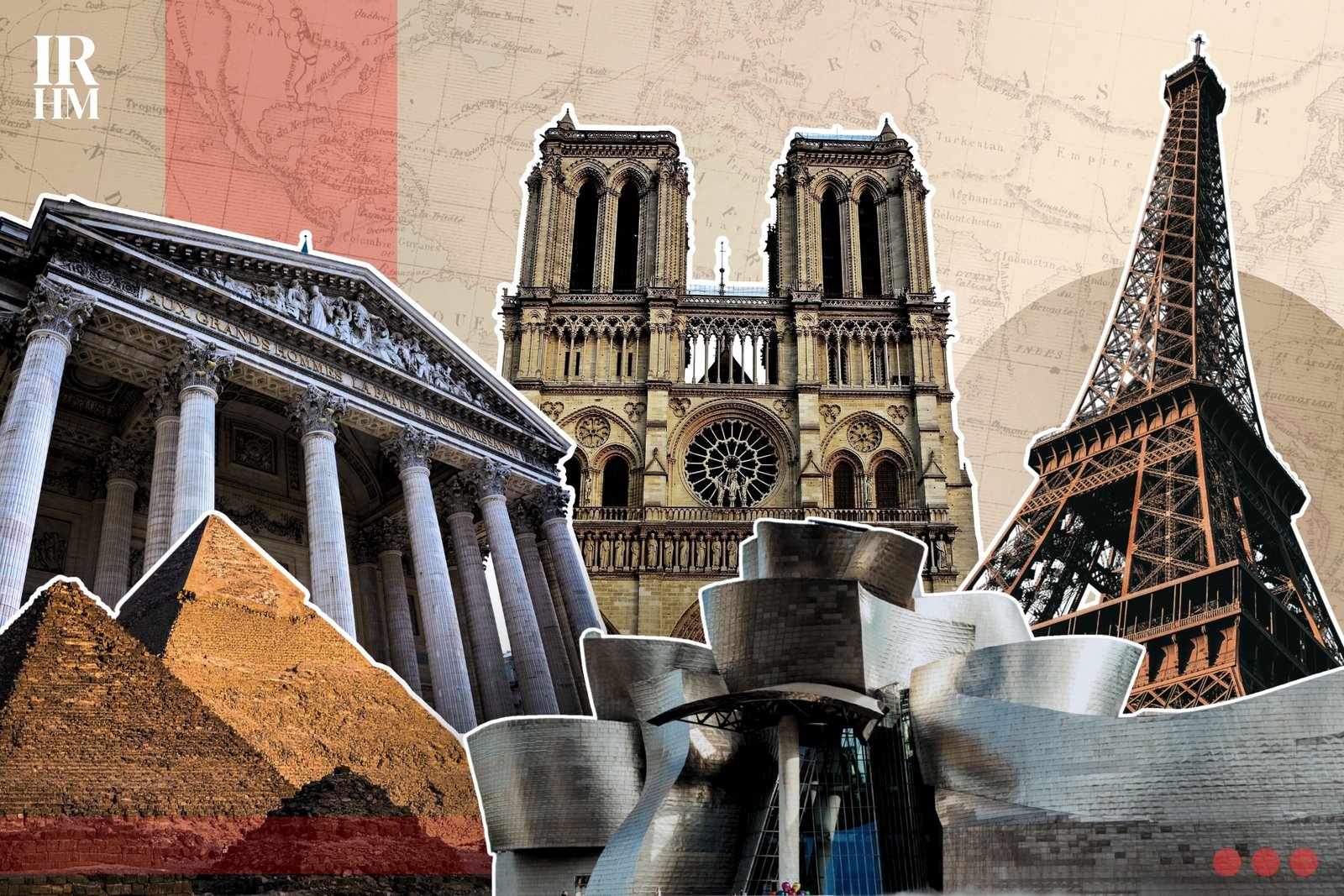

The story of humanity is not only told through books and laws. It is also written into the walls and mortar of the buildings that surround us. Few structures capture this record more powerfully than the Pantheon in Rome. Nearly two thousand years after its completion, it still stands as one of the most remarkable feats of architecture.
The Pantheon’s dome remains the largest unreinforced dome in the world. By all logic, it should have collapsed centuries ago. Yet it continues to defy time. Recent studies have revealed why. Scientists now describe the material as having “self-healing” properties. The Romans mixed quicklime into their concrete. When rainwater seeped into cracks, the lime reacted to form calcium-rich crystals. These crystals filled the gaps, repairing the damage. This material, known as opus caementicium, gave the Pantheon a kind of living resilience. It is this quality that has allowed the building to stand for so long.
This achievement is more than a clever piece of ancient science. It became the foundation for centuries of architectural progress. Renaissance architects studied the Pantheon’s dome to understand proportion and harmony. Engineers in the 19th century drew inspiration from its clarity of design. Each generation has looked back to Rome for lessons. The Gothic cathedral, with its soaring vaults, would not have been possible without the Roman mastery of arches. Modern skyscrapers, though built with steel and glass, still rely on principles of load-bearing first explored in ages past.
Architecture is a dialogue across time. Each era builds upon the discoveries of the past. Stone structures defined the ancient world. Concrete gave Rome its strength. Steel transformed the modern city. These materials are more than technical solutions. They represent turning points in how people shaped their environment.
The Pantheon remains a symbol of this continuity. It is not only a monument to Roman power but also a reminder of human ingenuity. Its survival shows how innovation in materials can change the course of history. From lime reacting with rainwater to steel framing the skylines of today, the story of architecture is the story of progress. It is a record of monumental ideas, carried forward one structure at a time.
Pre-Classical Origins – From Dwelling to Deity
The history of architecture begins not with grand monuments but with the basic human need for shelter. In the Pre-Classical period, buildings were simple and functional. They were made from materials close at hand, such as wood, reeds and animal hide. Yet the true turning point came with the Neolithic revolution, when humanity shifted from temporary dwellings to permanent structures with meaning and purpose.
Neolithic Architecture: The Dawn of Permanence
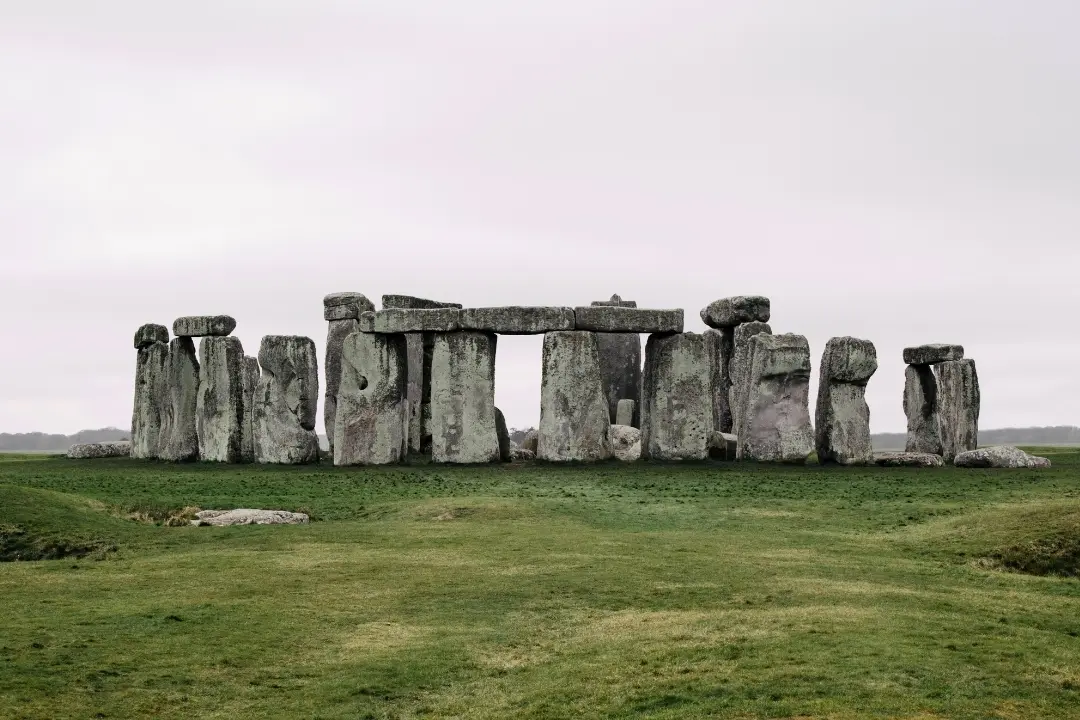
The Neolithic or New Stone Age was a period in human development from around 10,000 BCE until 3,000 BCE. When people think of the Neolithic era, they often think of Stonehenge, the iconic image of this early time. Dating to approximately 3000 BCE and set on Salisbury Plain in England, it is a structure larger and more complex than anything built before it in Europe.
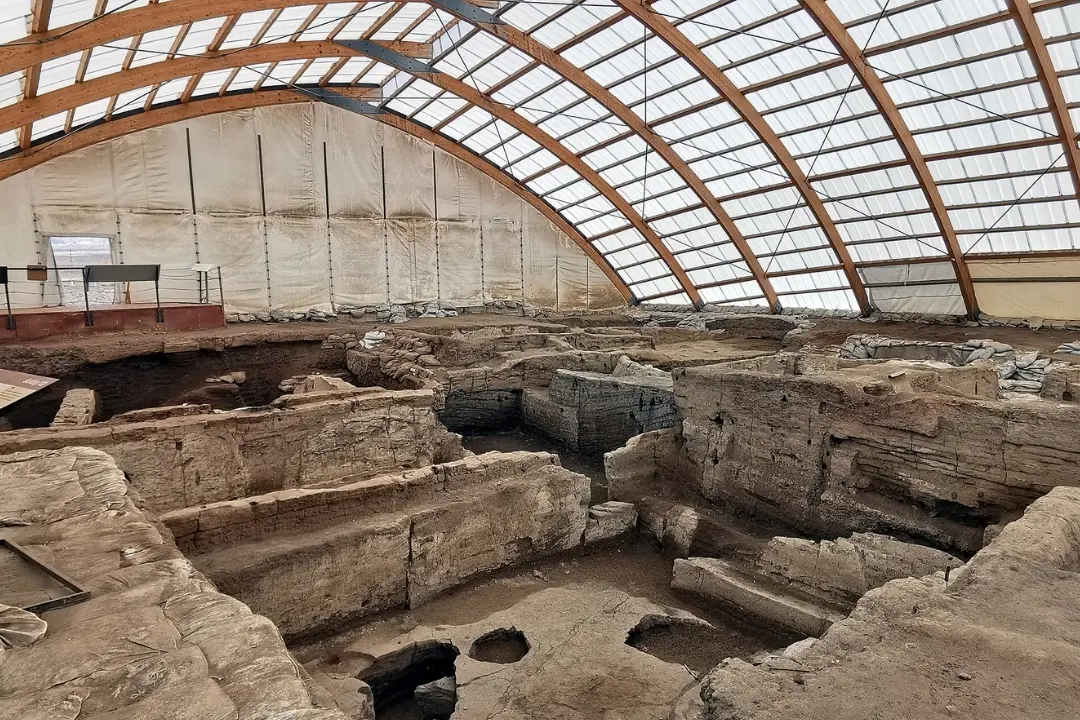
Around 10,000 BCE, the arrival of agriculture tied communities to the land. This demanded stronger and more complex forms of building. Neolithic settlements such as Çatalhöyük in modern-day Turkey were built entirely from mudbrick. These homes had no streets or external doors, showing a new way of organising space. Even more striking are sites like Göbekli Tepe. Here, monumental architecture dedicated to ritual and community appeared before farming itself. Builders stacked uncut stone to form huge T-shaped pillars. This established a principle that would echo through history: structure can be used to mark and elevate sacred space.
The Great Civilisations: Mastering Earth and Stone
The rise of Mesopotamia and Egypt marked the next leap forward. Architecture became a tool or a mark of power and also a way to honour the divine they believed in.
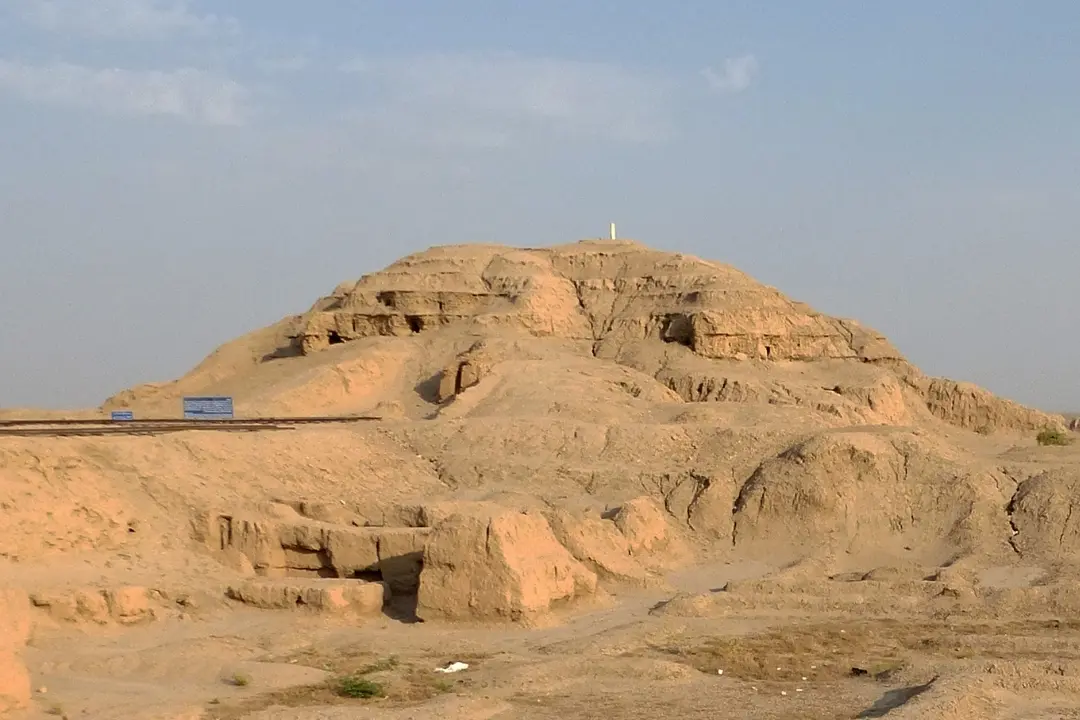
In Mesopotamia, stone was scarce. So they mainly used sun-dried and kiln-fired clay brick. With this material they created the Ziggurat. These vast, terraced pyramids acted as temple platforms. They symbolised a mountain linking the city to the heavens. Though made of brick, they showed remarkable engineering skill. Early use of arches and vaults allowed builders to manage weight and span space in new ways.
Egypt, by contrast, had rich supplies of granite and limestone. This abundance shaped their vision of permanence. Architecture evolved from simple mastaba tombs to the precise geometry of the Pyramids of Giza. These structures remain humanity’s earliest victory over hard stone. Egyptian builders carved temples and tombs to last for eternity. Their ability to quarry, transport and assemble massive blocks was unmatched. In doing so, they set ideals of monumentality that would influence later Classical architects. The challenges of proportion and material they faced became lessons for generations to come.

From mudbrick homes to pyramids of stone, these early achievements show how architecture grew from necessity into a statement of belief and power. They laid the foundations for the structures that still shape our world today.
The Foundations – Antiquity and Engineering
The story of architecture in antiquity is defined by invention and engineering. It was during this period that humanity discovered how to move beyond simple stacking of stone and brick, creating structures that were not just functional but also enduring. The invention of the arch, the dome and Roman concrete marked a turning point in how people built their world.
The Greek Ideal: Classicism and the Parthenon
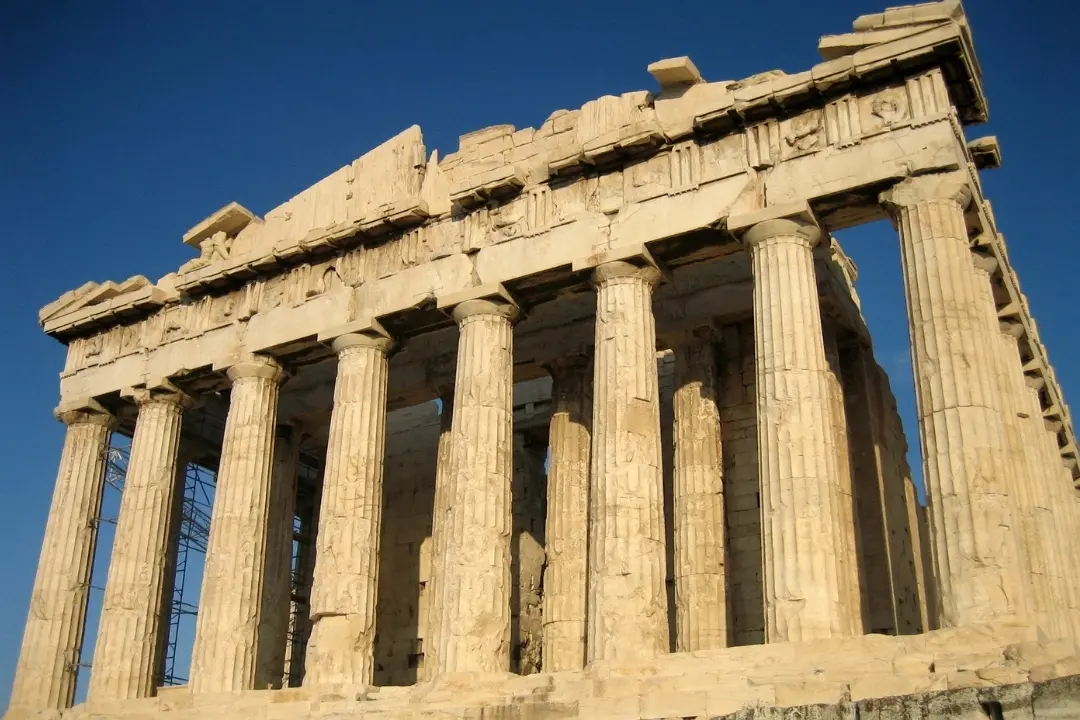
Greek architecture set the standard for proportion and beauty. The Parthenon in Athens remains the most famous example of this vision. Built in the 5th century BCE, it was dedicated to Athena and symbolised the values of order and harmony. Its columns and pediments were carefully designed to achieve balance. Greek builders worked with marble and limestone, creating temples that were both elegant and precise. This pursuit of perfection became the model for later generations, influencing everything from Renaissance design to modern public buildings.
Roman Ingenuity: Concrete and the Arch
The Romans took architecture further by focusing on engineering. They developed opus caementicium, known today as Roman concrete. This material was stronger and more versatile than stone alone. It allowed them to build on a scale never seen before. Combined with the invention of the arch and the dome, Roman concrete transformed construction. Arches could span wide spaces without collapsing. Domes could cover vast interiors. These innovations gave rise to aqueducts, amphitheatres and public baths that still stand today.
The Breakthrough: The Pantheon
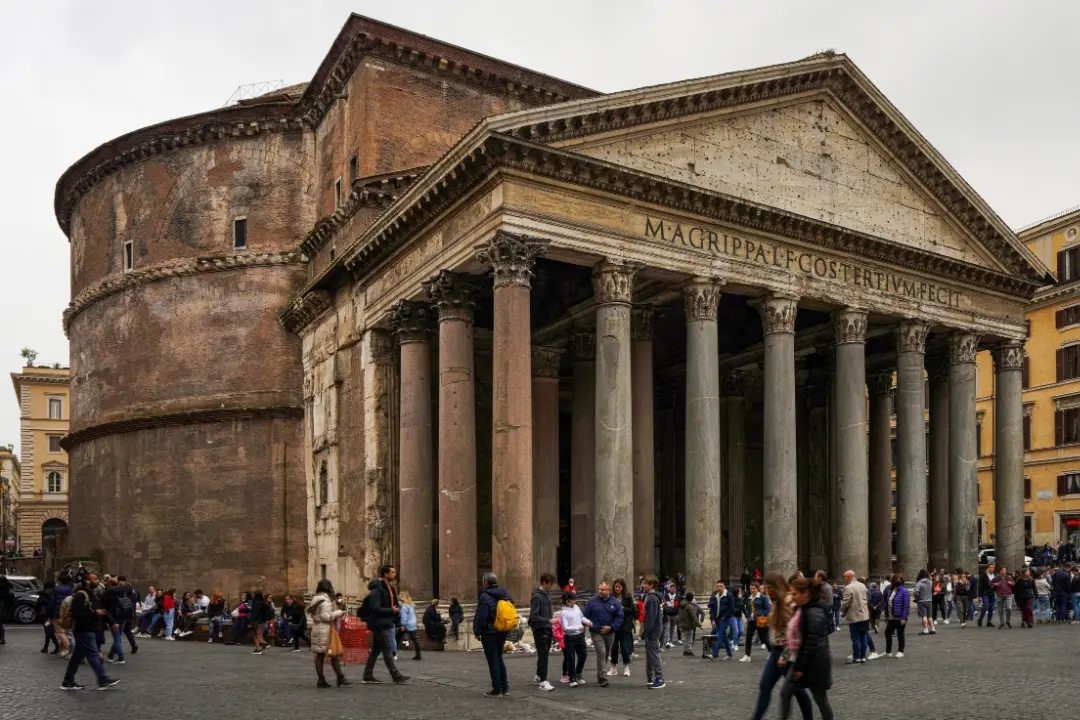
The Pantheon in Rome represents the peak of Roman achievement. Its dome remains the largest unreinforced dome in the world. Unlike earlier buildings that relied on stacking stone, the Pantheon used superior materials and structural systems to create a space that has lasted nearly two millennia. The oculus at its centre provides light, while the concrete mix ensures strength. This building was not only a temple but also a demonstration of what engineering could achieve. It showed that architecture could move beyond simple shelter to become a lasting monument.
The legacy of the past lies in these breakthroughs. Greek classicism gave architecture its ideals. Roman engineering gave it its tools. Together they created a foundation that shaped every era that followed. From the Parthenon’s marble columns to the Pantheon’s concrete dome, these structures remain proof of how innovation in design and materials can change the course of history.
Height and Light: The Medieval Revolution
After the achievements of Roman engineering, the Medieval period brought a dramatic change in architectural ambition. Builders sought verticality and spiritual aspiration. Churches and cathedrals became towering gestures towards the heavens, designed to inspire awe and a sense of divine transcendence.
Romanesque Beginnings
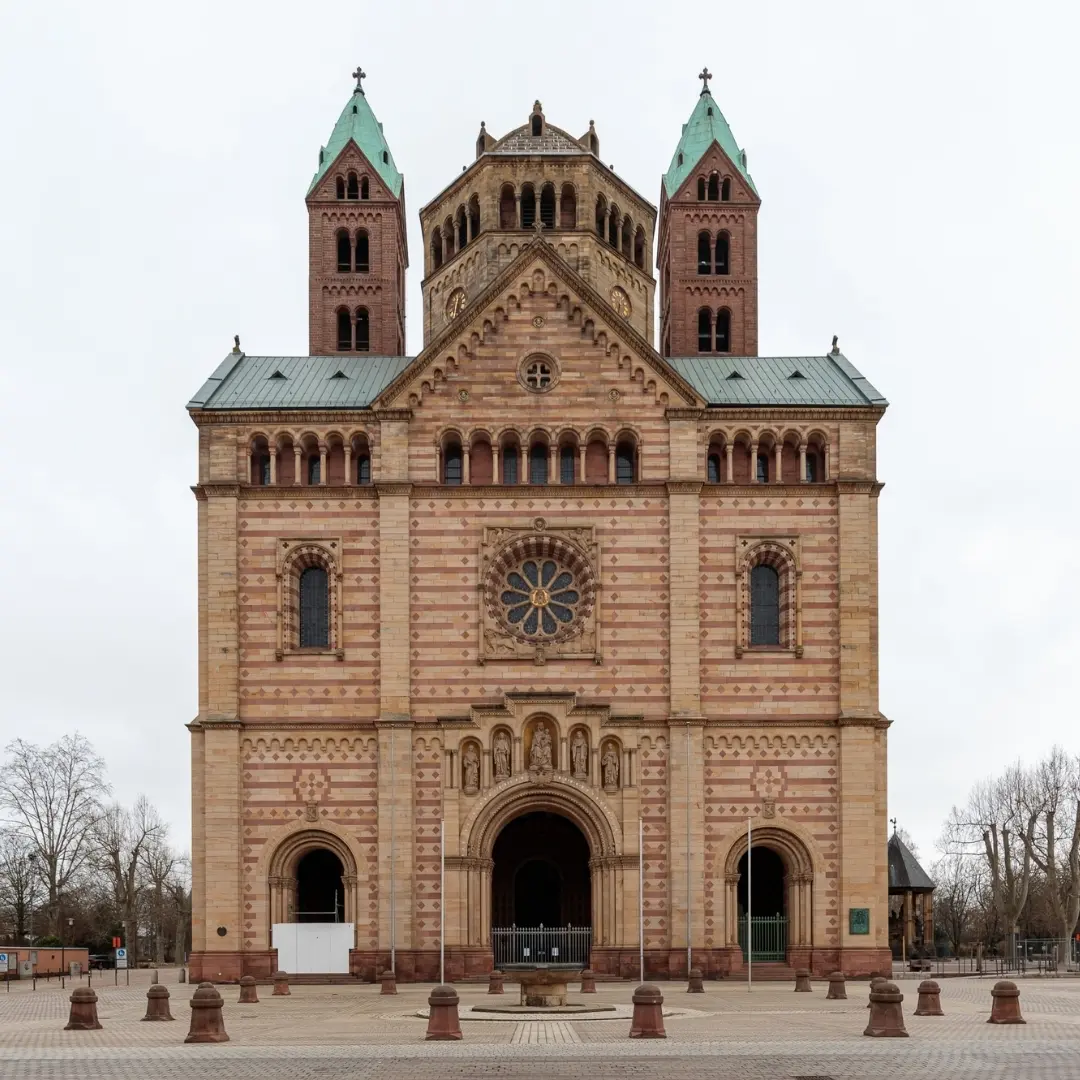
From the 10th to the 12th centuries, the Romanesque style was the prominent style in sacred architecture. These buildings were defined by thick stone walls and rounded arches inherited from Rome. Heavy barrel vaults were used to control the outward thrust of the roof. The result was cathedrals that conveyed stability and solemnity. Yet their structure demanded limited height. Windows had to be small and deeply recessed, leaving interiors dark and heavy. Romanesque churches were impressive but lacked the lightness and openness that later styles would achieve.
The Gothic Leap
By the mid-12th century, Gothic architecture transformed what was possible. Builders adapted Roman ideas and introduced three key innovations that changed the balance of forces and allowed for new heights.
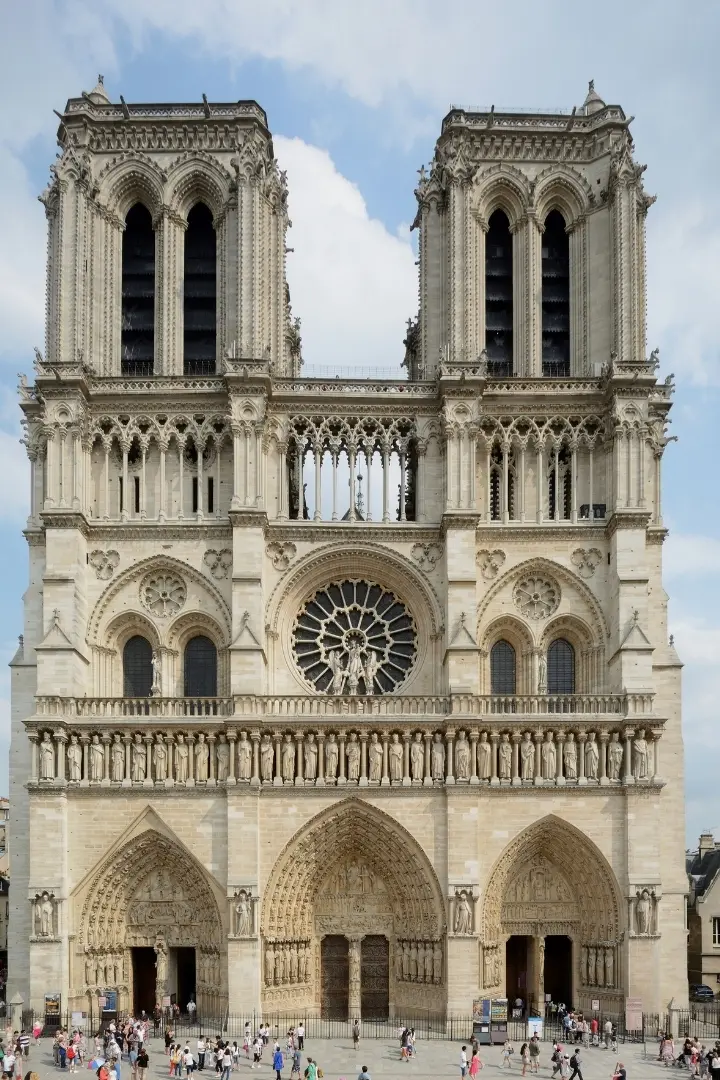
- The Pointed Arch: This design reduced lateral thrust by directing weight more vertically than the rounded Roman arch.
- The Ribbed Vault: A framework of stone ribs carried the roof’s weight to specific points, reducing the need for solid wall support.
- The Flying Buttress: This external half-arch transferred the immense lateral thrust from high vaults and roofs outward and down to the ground, bypassing the walls entirely.
Together, these devices created a revolutionary lightness. Gothic cathedrals could rise higher and open their interiors to light in ways never seen before.
Impact on Scale and Space
The innovations of Gothic design changed the role of walls. No longer essential for bearing weight, they became screens. This allowed vast areas to be filled with stained glass which created spaces that felt both monumental and ethereal, flooding with coloured light. The effect was not only structural but also spiritual. The physical form of the building aligned with its purpose, lifting the gaze and imagination towards the divine.
The Medieval revolution in architecture was about more than engineering. It redefined how people experienced public buildings. Romanesque cathedrals spoke of strength and permanence. Gothic cathedrals spoke of light and transcendence. Together they mark a period when architecture became a true expression of faith and ambition.
Rebirth and Order – The Renaissance
After the soaring ambition of the Gothic era, the Renaissance marked a decisive intellectual shift. Between the 14th and 16th centuries, architects turned back to the classical world. This was the rebirth of ideals rooted in proportion, harmony and humanism. The milestone of this movement was the rediscovery and strict application of classical mathematical principles. Builders moved away from the structural experiments of the Medieval period, seeking instead the order and symmetry found in Roman ruins.
Key Figures and Theory
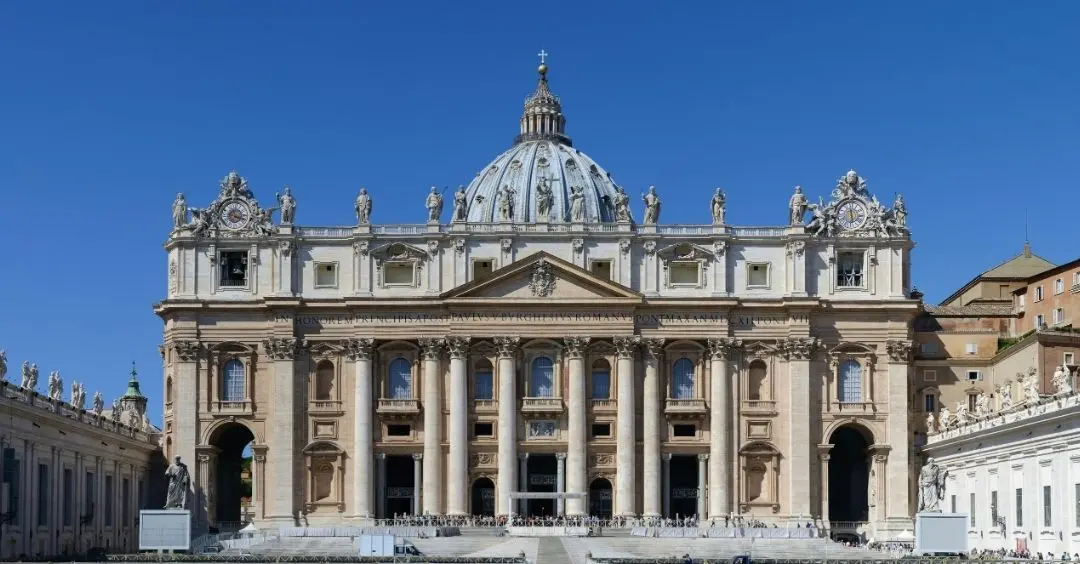
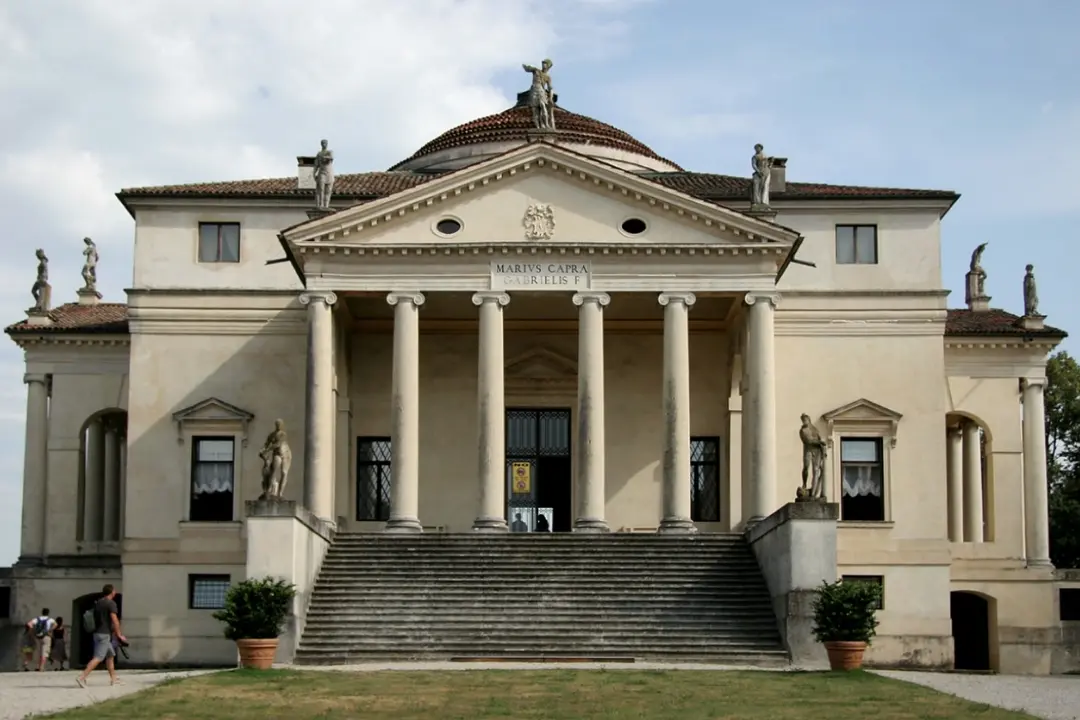
The Renaissance was as much about theory as construction. The rediscovery of Vitruvius’s De architectura (On Architecture) provided a foundation. It linked structure, utility and beauty to mathematics. Andrea Palladio later advanced these Roman ideals. He created a systematic design theory that emphasised modularity, symmetry and the use of classical elements such as columns, pediments and arches. His work expressed logic and visual harmony, setting standards that shaped European architecture for centuries.
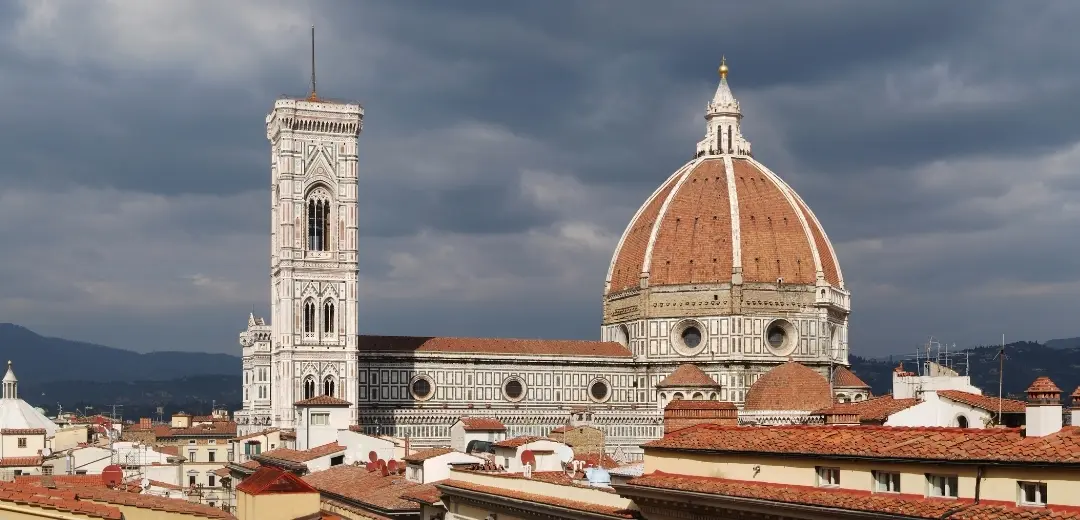
Florence became the centre of this transformation. Filippo Brunelleschi demonstrated the new approach most powerfully. Tasked with roofing the Florence Cathedral, he faced a challenge that seemed impossible. Without Gothic flying buttresses or Roman centering, he invented a self-supporting double-shell dome. Brunelleschi’s dome was more than an engineering success. It was a humanistic statement. A single architect had mastered an ancient Roman form through reason and mathematical ingenuity. His achievement symbolised the Renaissance belief in human capacity and intellectual order.
A New Focus: Intellectual Order
Renaissance architecture shifted deliberately from structural necessity to intellectual clarity. Buildings no longer relied on massive walls or external supports. Instead, design was based on ratio and measure. Scale was tied directly to human proportion, as seen in the Vitruvian Man. Humanity, which is the observer, the user and the inhabitant was placed at the centre of design. This emphasis on rational composition and geometric balance created spaces that were both functional and symbolic.
The Renaissance established a framework that shaped Western architecture long after the period ended. By reviving classical ideals and applying them with precision, architects redefined the purpose of building. It was no longer only about shelter or spectacle. It became about order, proportion and the relationship between humanity and space. From Brunelleschi’s dome to Palladio’s villas, the Renaissance remains a turning point where architecture became a true intellectual pursuit.
The Machine Age – Iron, Steel, and Glass
The order and harmony of the Renaissance gave way to disruption during the Industrial Revolution. In the 18th and 19th centuries, architecture reached a turning point. The ability to mass-produce refined materials changed the relationship between form and load. Builders were no longer limited by the compressive strength of stone and brick. Instead, they embraced tensile strength.
New Materials, New Heights
The driving force behind this change was the introduction of new materials. Cast iron and wrought iron appeared first, followed by cheaper, mass-produced steel. These metals had tensile strength, the ability to resist pulling forces, and that was something stone masonry could never achieve. Cast iron was used initially for bridges and factories. Soon it was applied to commercial buildings, allowing slender columns and larger windows. This opened up new possibilities for design and scale.
Early Examples: The Skeletal Revolution
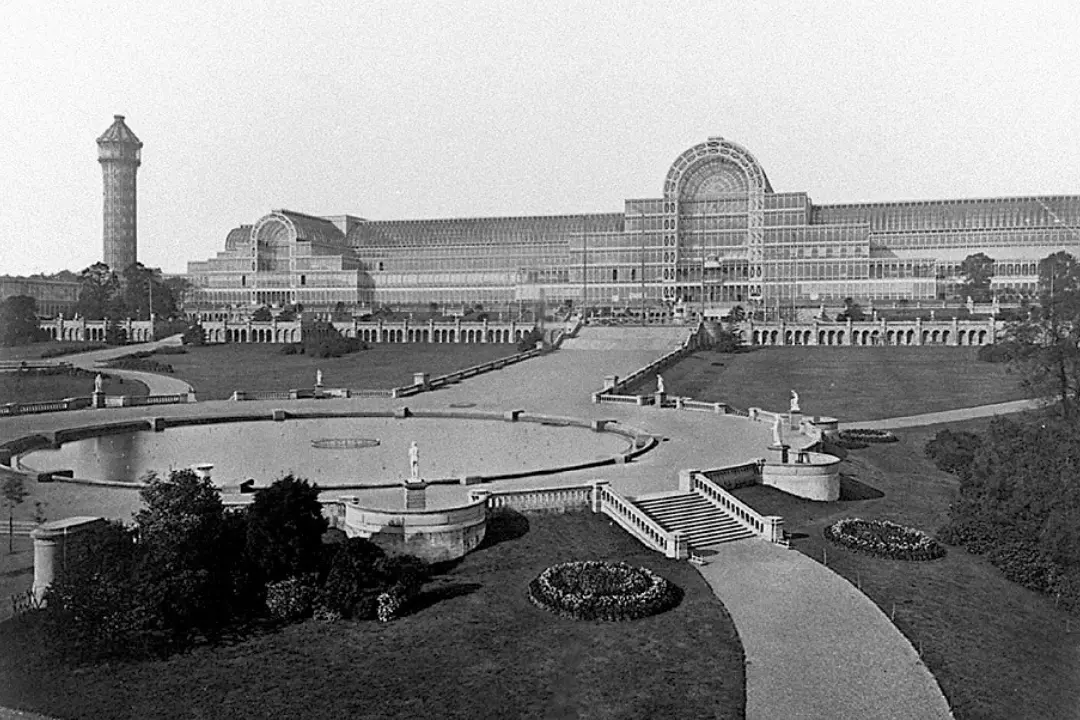
The material revolution created a new way of building. The Crystal Palace, designed by Joseph Paxton in 1851, became the symbol of this era. Built almost entirely of pre-made cast iron and glass, it was a historical showcase. It represented the first large enclosure where the outer skin was not load-bearing. Instead, the envelope was a lightweight shell, separate from the internal support structure.

The Eiffel Tower, completed in 1889, took this skeletal construction to its peak. Its latticework of wrought iron rose to unprecedented height and thereby proved that light, graceful structures could be built without relying on heavy masonry. The tower became a statement of engineering ambition and a demonstration of what iron could achieve.
These examples showed that iron and steel could form a structural skeleton. This innovation directly led to the skyscraper. The load-bearing framework of steel defined the modern city skyline. For centuries, stone had been the material of durability. Now steel offers strength, adaptability and height. It became the true counterpart to the long human record in stone.
A New Era
The Machine Age was more than a technical shift. It changed the way people thought about buildings. Architecture moved from mass and weight to lightness and flexibility. Iron, steel and glass created a new language of construction. From the Crystal Palace to the Eiffel Tower, these structures marked the beginning of modern architecture. They remain symbols of a time when industry and invention reshaped the built environment forever.
The Modernist Creed: Form Follows Function
By the start of the 20th century, architecture was entering a new era. Advances in steel and reinforced concrete meant buildings could be designed in ways that were not possible before, which demanded a fresh aesthetic language. The turning point came with the rejection of historical ornament in favour of a functional style that could be applied globally.
The phrase “form follows function,” coined by Louis Sullivan, became the guiding principle of this movement. It was reinforced by Adolf Loos’s essay Ornament and Crime (1908), which argued against decorative excess. Architects began to strip away embellishment to reveal the honest structure beneath.
A New Architectural Language
The Bauhaus school in Germany, founded in 1919 by Walter Gropius, played a central role in shaping this philosophy. Bauhaus aimed to unify art, craft and technology, promoting mass production and standardisation. Its teaching emphasised simplicity, efficiency and truth to materials. These ideas spread worldwide and helped define the modern approach to design.
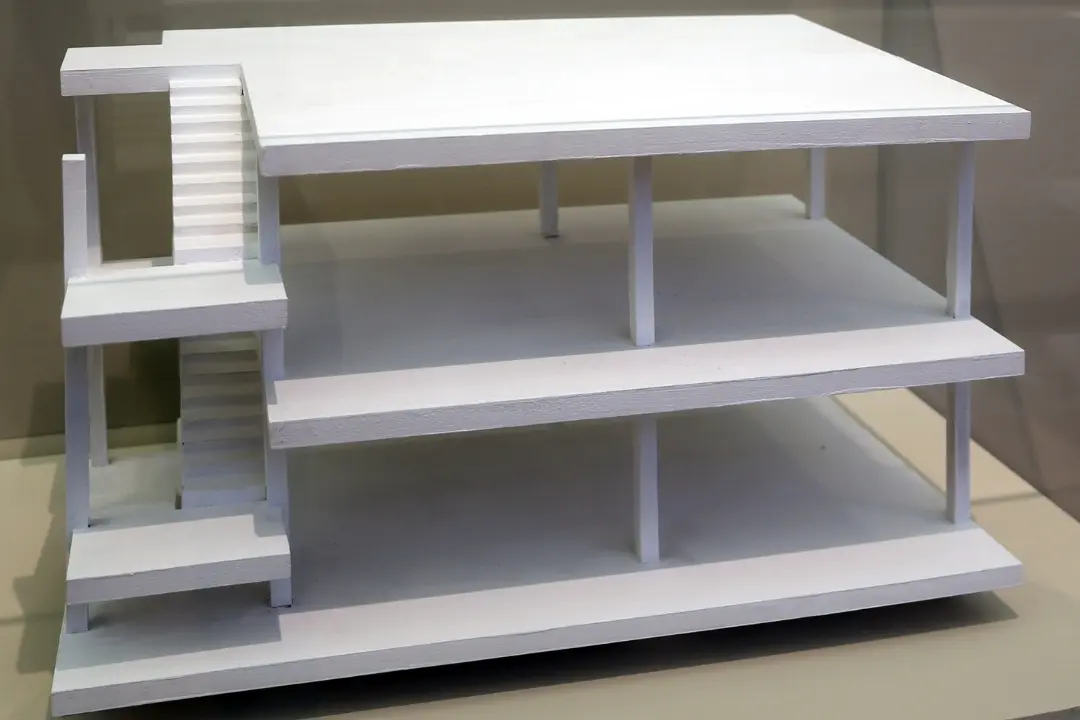
At the same time, Swiss-French architect Le Corbusier was rethinking domestic architecture. His Dom-Ino system (1914) introduced a structural model of open floor slabs supported by reinforced concrete columns. This freed walls from their load-bearing role. In 1926, he set out the Five Points of Architecture: pilotis to lift buildings on stilts, the free plan, the free facade, ribbon windows and the roof garden. Together, these principles allowed greater flexibility, light and openness in design.
Global Impact: Glass and Steel
The philosophy reached its peak in the rise of the minimalist skyscraper. Mies van der Rohe became its most famous advocate. His motto “less is more” summed up the International Style. He perfected what he called “skin and bones” architecture, reducing buildings to their structural essence.
The Seagram Building in New York, completed in 1958, is one of his most iconic works. It expressed a pure structural grid in glass and steel. This approach did more than reshape skylines. It created a universal architectural language that prioritised efficiency, transparency and structural logic over regional tradition or decoration.
Modernism transformed the urban landscape. The clean, unadorned style became the default model for commercial and residential construction throughout the 20th century. By focusing on utility and honest materiality, the Modernist Creed redefined what building meant for a new century.
From Uniformity to Curves: Post-Modernism and Digital Tools
In the late 20th century, architecture began to shift away from the strict, uniform lines of Modernism. Designers grew tired of the plain, functional buildings that dominated cities after World War II. This change marked a key moment: the arrival of digital design tools and a strong push back against Modernism’s sameness. Architects started to explore new ideas, bringing in elements of fun, decoration, and links to local history. This era opened the door to more varied and exciting structures.
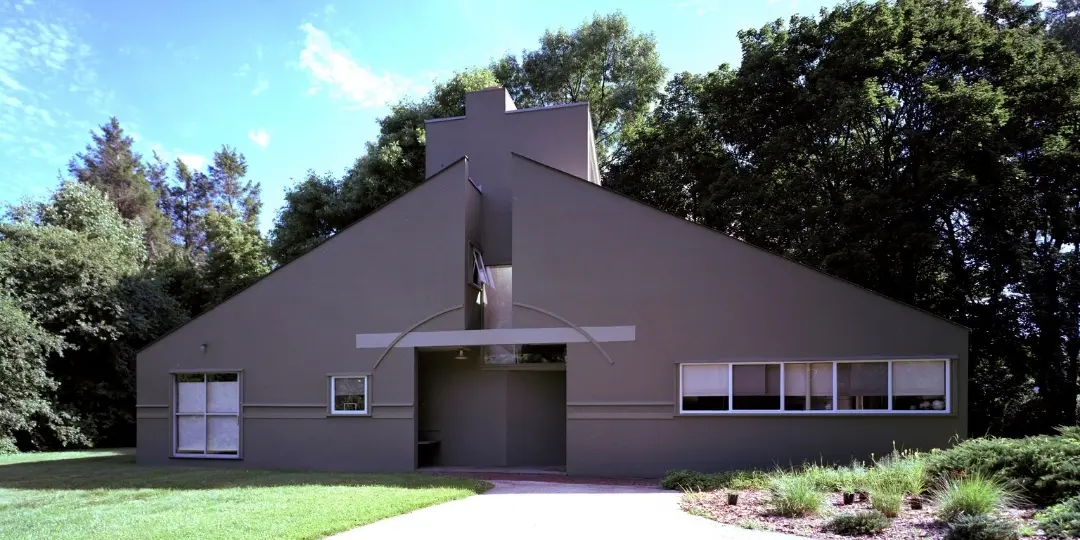
Post-Modernism led this transformation. It aimed to make buildings more lively and connected to their surroundings. Robert Venturi, an American architect, played a big part in this. In his book Learning from Las Vegas, he argued for designs that included humour, bold ornaments, and references to everyday culture. Think of the Vanna Venturi House in Philadelphia, with its playful shapes and nods to traditional homes. Post-Modern buildings often mixed styles from different times, like classical columns with modern materials. This approach made architecture feel more human and less like a machine. Cities such as Las Vegas and parts of London embraced this, with structures that told stories through their facades.
At the same time, digital tools began to reshape how architects worked. Computer-Aided Design (CAD) software allowed for precise drawings and quick changes, far beyond what hand sketches could do. Later, Building Information Modelling (BIM) took this further. BIM creates detailed 3D models that include data on materials, costs, and even how a building will perform over time. These tools made it easier to experiment with shapes that were once too hard to build. Architects could test ideas on screen before committing to construction, saving time and money.
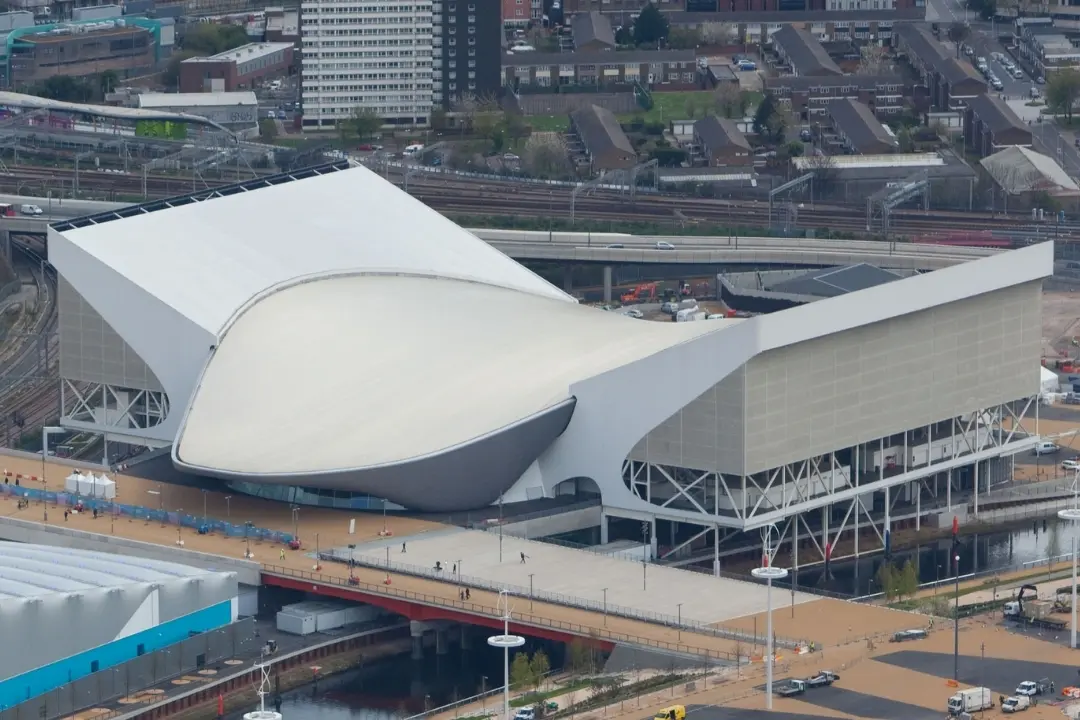
This blend of Post-Modern ideas and digital methods led to new forms in architecture. Complex, curving designs became common, thanks to software that could handle intricate calculations. Curvilinear forms, think smooth, flowing lines rather than sharp angles, appeared in landmarks like Frank Gehry’s Guggenheim Museum in Bilbao. The museum’s twisted metal panels show how digital modelling can turn wild concepts into reality. This trend fed into Deconstructivism, a style that breaks traditional rules. Architects like Zaha Hadid used it to create buildings that seem fragmented or in motion, such as the London Aquatics Centre with its wave-like roof.
Today, these developments continue to influence design. Digital tools have made architecture more sustainable and adaptable, while Post-Modernism reminds us to value context and creativity. As cities grow, this mix ensures buildings are not just functional, but also engaging and unique. The journey from Modernism’s plain boxes to today’s bold curves shows how technology and fresh thinking can redefine our built world.
The Contemporary Imperative – Sustainability
In the 21st century, sustainable design has moved from optional extra to absolute must. Climate change, resource shortages and tougher laws have made green building non-negotiable. Today, every project is judged first on its impact on the planet.
The main goals are clear: cut energy use, slash carbon emissions, and follow circular economy ideas that are designed for reuse, recycling, and minimal waste. Buildings now aim for net-zero energy, harvest rainwater, and use thick insulation or smart glass that tints itself to control heat.
A big shift is away from concrete and steel, which produce huge amounts of CO₂. Mass timber, especially cross-laminated timber (CLT), has taken centre stage. Tall offices and housing blocks such as Mjøstårnet in Norway (85.4 metres, the world’s tallest timber building) prove wood can replace concrete while locking carbon away for decades. At the same time, smart materials like phase-changing panels that store and release heat, or self-healing concrete, help structures perform better with less material.

These changes are no longer trends; they are the baseline. Clients, councils, and communities demand proof that a building will not harm the environment. Sustainability has stopped being a style or a selling point and it is now the starting point of good architecture.
Building Tomorrow
The history of architecture is not just a sequence of changing styles, but a continuous story of human ingenuity meeting fundamental needs. From the massive stone blocks of the Pyramids of Giza, built to show lasting strength and godly might, to the tall, computer-shaped towers of glass and steel in our busy cities today, our surroundings have always reflected the health of our society.
A Legacy of Adaptation
This path has rested on two steady forces: new technology and everyday demands. The ancient Roman discovery of durable concrete led to the monumental Pantheon. In the Middle Ages, builders came up with the flying buttress. That let light flood into the tall spires of Gothic cathedrals. Later, cheap steel and glass opened the door to the high-rise blocks we know now. Each breakthrough did more than alter building methods. It reshaped our views on homes, shared spaces, and big dreams. Architecture has moved from establishing order (Classical), to reaching for the divine (Gothic), to maximising function (Modernism), and now, embracing complexity and responsibility(Contemporary).
The Next Great Shift
As we build tomorrow, the challenges facing architecture are immense and urgent. Rapid urbanisation demands innovative solutions for density and social equity, requiring us to design high-quality, compact living spaces. Most critically, the existential threats posed by climate change require buildings to transition from being energy consumers to becoming power generators. The next great architectural evolution won’t be purely about style or height; it will be driven by performance and ethics.
Future buildings will stand by how well they blend with wild areas around them. They will clean the air, gather rain, and produce energy that balances out what they use, hitting net-zero. We will leave behind static designs for ones that adjust on their own. The push for this new wave has started. It leads us to a place where our creations do not sit apart from nature. They join in as key players, helping the whole system flourish.
In the end, architecture keeps proving its worth as a mirror to who we are. From ancient wonders to green towers ahead, it adapts to keep us safe, linked, and hopeful. As we face these tests, the field stays true to its roots: turning ideas into spaces that last and lift us all.



![[IRHM] logo](https://irhmagazine.com/wp-content/uploads/2025/08/IRHM-AWARDS-2025-1024x683.jpg.webp)