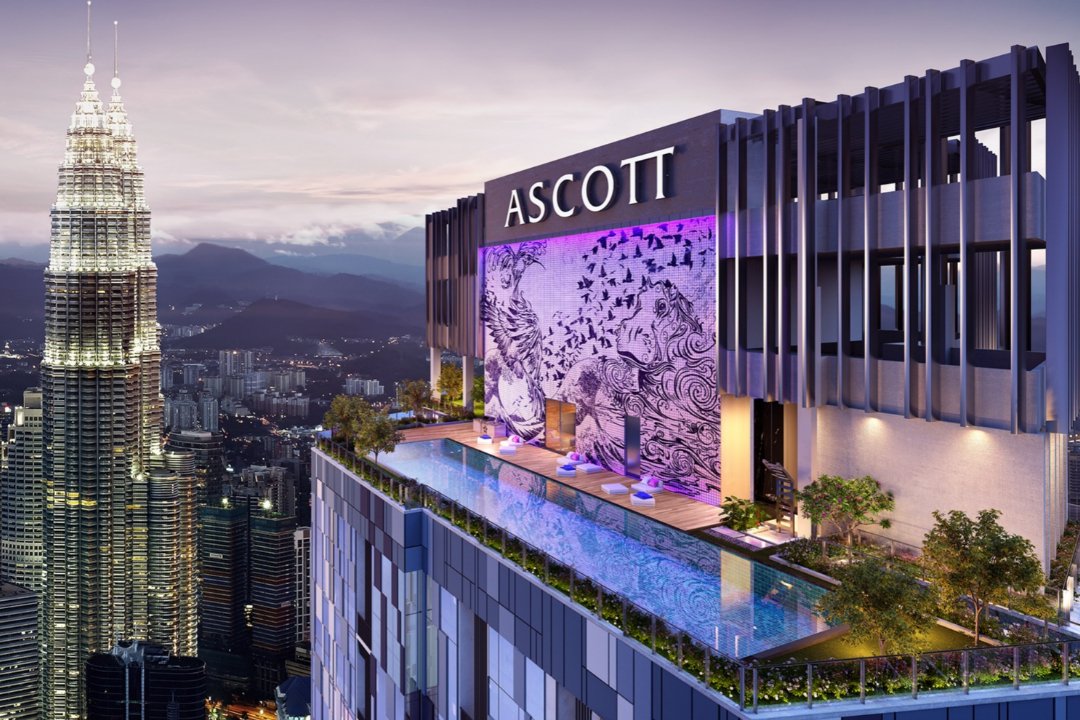
The Ascott Limited has achieved Global Sustainable Tourism Council (GSTC) certification for half of its eligible global portfolio. Fully certified markets now include the Philippines, Malaysia, Japan, India, Laos, Europe and Australia. Ascott expects to certify its eligible portfolio in Indonesia by the end of 2026, adding more than 50 properties and raising its global share of certified properties to over 65 per cent.
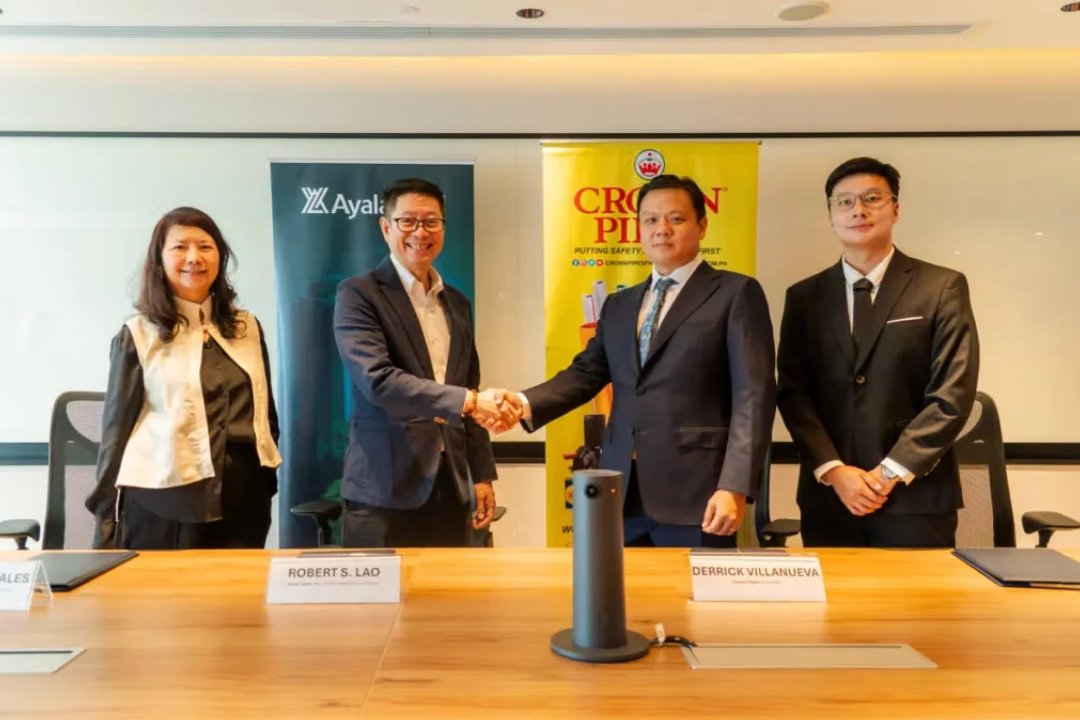
Ayala Land and Crown Asia Chemicals have signed a Memorandum of Understanding to lower carbon emissions and reduce PVC waste across the Philippine construction supply chain. The two-year agreement introduces a PVC pipe take-back recycling scheme and sets ESG criteria for vendors. The partnership supports Ayala Land's goals to achieve net-zero greenhouse gas emissions by 2050 and zero waste to landfill by 2030.
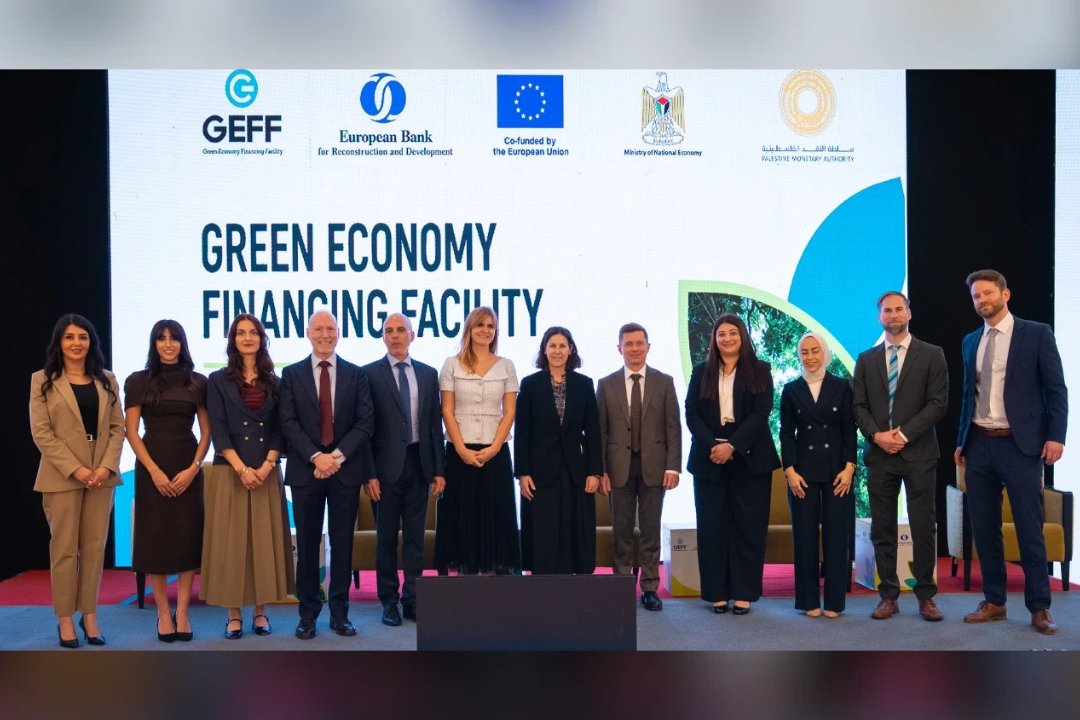
The European Bank for Reconstruction and Development and the European Union have introduced the Green Economy Financing Facility in the West Bank and Gaza. Supported by a €25.9 million facility, the initiative improves local access to finance for sustainable technology, renewable energy and climate resilience projects.
The International Air Transport Association and the World Sustainable Hospitality Alliance have partnered to align sustainability standards across aviation and hospitality. Signed in Brussels, the agreement focuses initially on airline procurement of hotel accommodation. The joint initiative will establish tender criteria, ESG contracting guidelines and practical case studies by linking IATA’s Integrated Sustainability Program with WSHA’s Universal Sustainability KPIs Programme to streamline travel supply chain practices.
The Green Economy Financing Facility, supported by the EBRD and the European Union, has reached 25,000 households across the Western Balkans. Marking the milestone with a family in Vrčin near Belgrade, the initiative provides loans and grants to improve residential energy efficiency, cut electricity costs, and install clean energy technologies such as solar panels and heat pumps across the region.
Principal Asset Management and Longevity Partners have launched REsponsible Asset Solutions, a platform aimed at decarbonising institutional real estate. The joint venture combines $108 billion asset manager Principal’s investment experience with Longevity Partners’ engineering and implementation capabilities. Tested across 14 pilot properties, the model targets an overall 37 per cent drop in energy use while creating over $10 million in additional value at asset exit.