

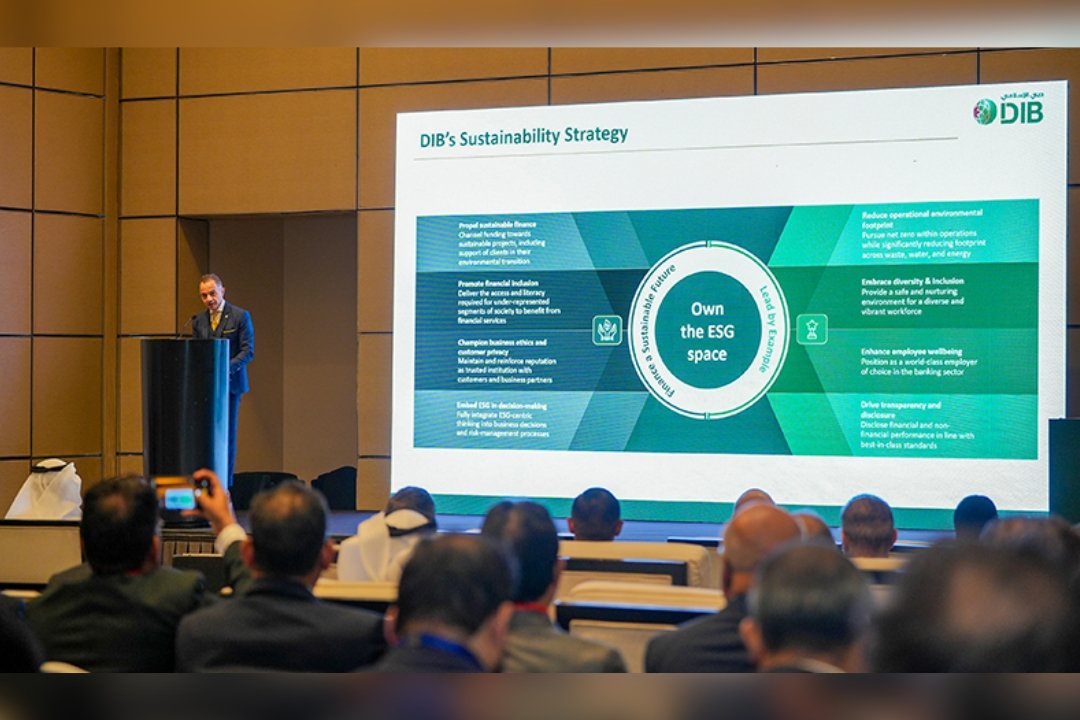

Dubai Islamic Bank (DIB) has launched its new Unlocking Sustainable Finance series, a sector-focused initiative aimed at helping key industries transition toward a green economy. The inaugural event, titled Transitioning Real Estate, brought together over 80 senior figures from across the built environment sector, including developers, regulators and sustainability experts.
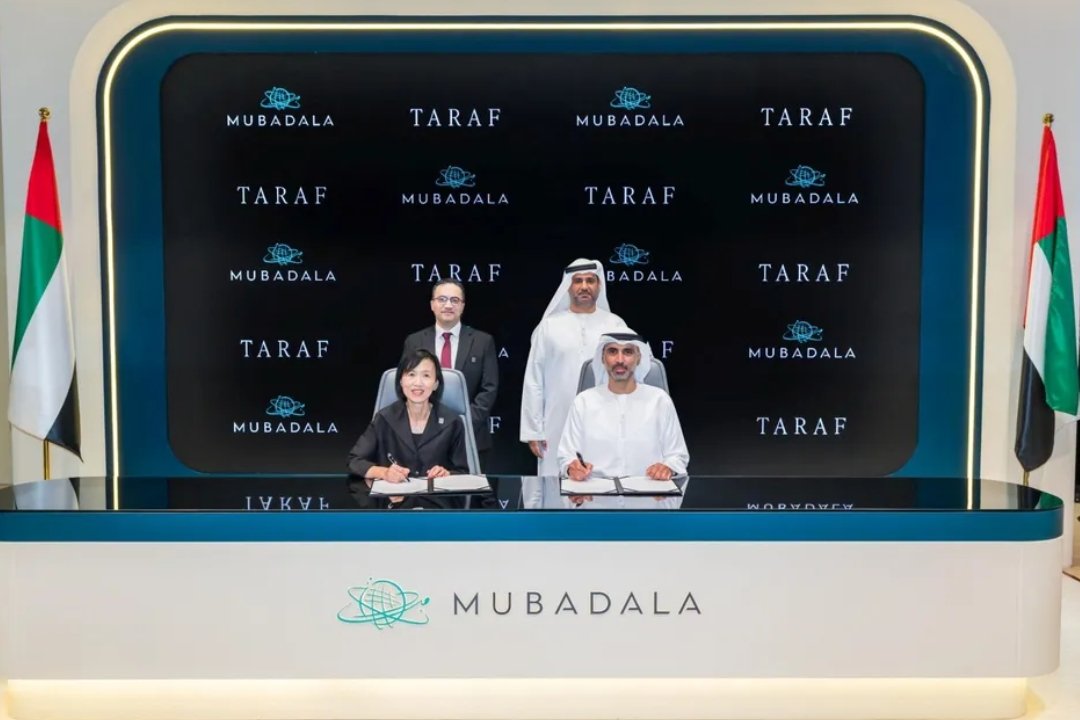
During the forum, DIB formalised an official LEED-precertified project facility with Azizi Developments to back property projects aligned with green building standards. The bank also signed a Green Concierge Memorandum of Understanding (MoU) with Imtiaz Developments to support the firm across its long-term ESG roadmap, compliance and financing readiness.
Dr Adnan Chilwan, Group Chief Executive Officer of DIB, said: “Real estate has always been central to economic development, city competitiveness and community wellbeing. Today, as the transition to a lower-carbon economy accelerates, the built environment also represents one of the most important sustainability and commercial opportunities before us. It shapes how resources are consumed, how assets perform, how capital is allocated and how resilient our cities will be for future generations. This is why we chose real estate as the first focus of the Unlocking Sustainable Finance Series. I would like to thank our regulators, clients, partners and industry leaders for joining this important conversation and for bringing the level of collaboration this transition requires. At DIB, we believe sustainable finance cannot remain a label or a standalone product. It must become a discipline that connects capital with measurable impact. Our role is to help clients move from ambition to execution by shaping credible transition plans, defining practical KPIs, structuring finance around real outcomes and connecting them with the right ecosystem partners. Through Green Concierge, the transition financing commitments formalised today and the industry collaboration pact launched with participants, we are creating a more complete platform to help make sustainable real estate more credible, more financeable and more scalable, while delivering outcomes that reduce emissions, improve efficiency, strengthen resilience and create long-term value in the real economy.”
The bank has set a target for sustainable assets to comprise 15% of its total financing and investment portfolio by 2030, with roughly half of this goal met. By the end of 2025, DIB deployed nearly AED 20 billion in sustainable financing, invested AED 9 billion in ESG sukuk and facilitated around AED 30 billion in sustainable debt capital market transactions. According to company figures, these allocations have helped prevent over 155,000 metric tonnes of CO2 emissions.

![[IRHM] logo](https://irhmagazine.com/wp-content/uploads/2025/08/IRHM-AWARDS-2025-1024x683.jpg)