


Malaysia’s real estate sector is on a sharp upward trajectory, drawing attention from investors and homebuyers worldwide. A blend of government support, infrastructure expansion, foreign interest, and a growing focus on sustainability has transformed the market. Here’s an in-depth look at the trends shaping this boom.
Government-backed affordable housing reshapes liveability
Long-stigmatised low-cost housing has been reinvented in Malaysia. Today’s affordable projects under schemes such as PR1MA and Rumah Selangorku emphasise community planning, green spaces and thoughtful design. Buyers can now access homes that balance economy and quality—a marked improvement from earlier, densely packed developments.
Key insight: The government’s involvement ensures affordability without sacrificing comfort—turning affordable housing into quality urban living.
Transport-led urban transformation
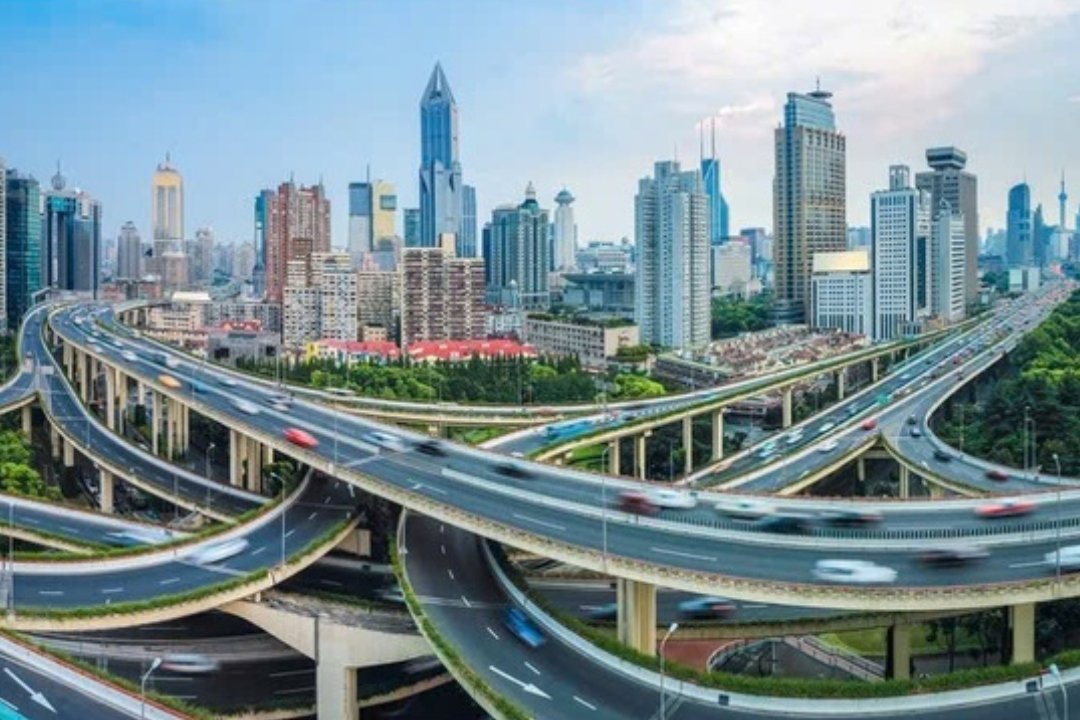
Metro and rail expansions—including the Klang Valley MRT and East Coast Rail Link—are unlocking suburban growth. Developers are capitalising on this with transit-oriented developments (TODs) offering walkable streets, shaded paths and communal green areas around train stations. This approach is changing Malaysia’s urban dynamics and giving rise to new mini-cities along transit lines.
Sustainability enters the mainstream
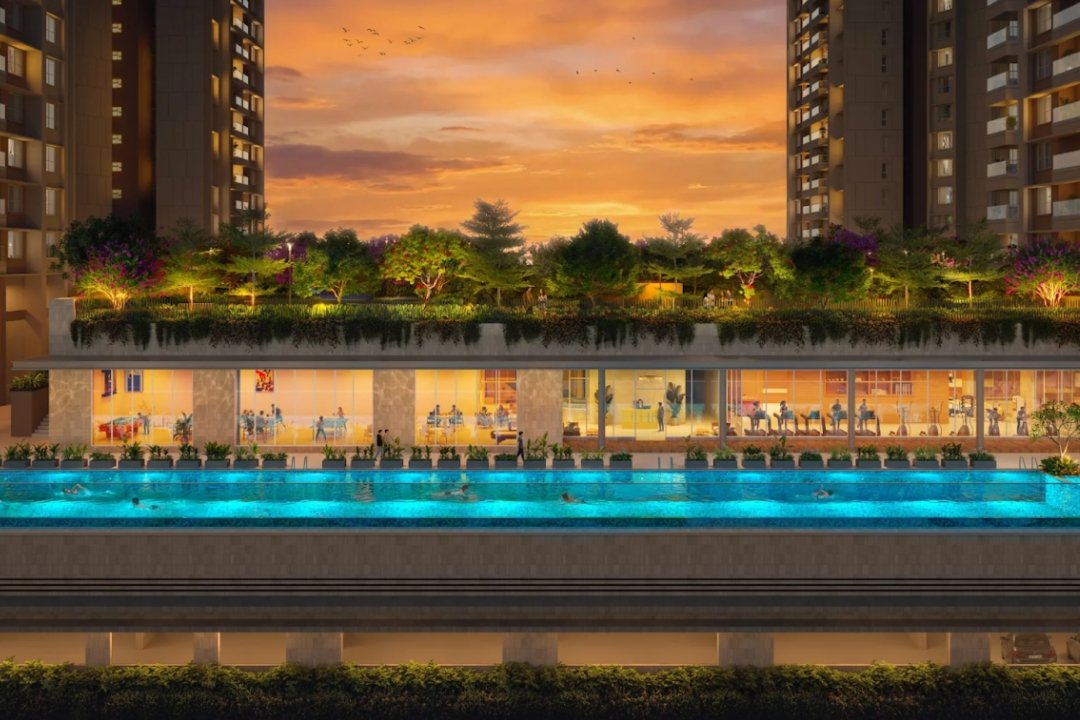
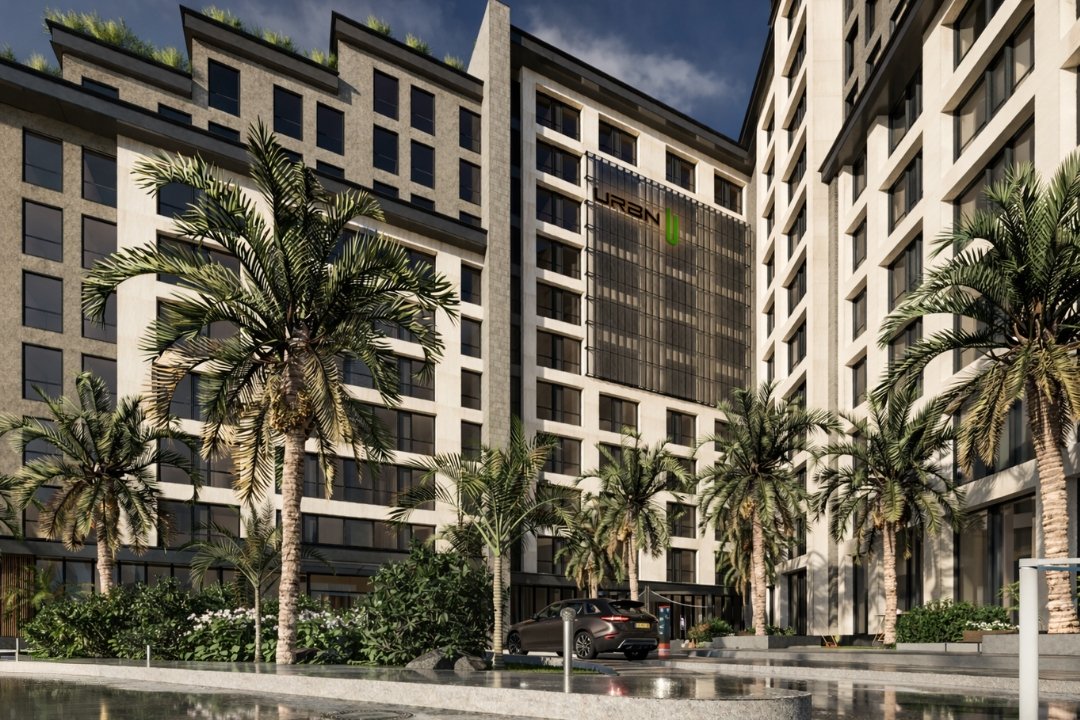
Climate risks have prompted developers to go green. Biophilic design, green roofs, flood-resilient landscaping and water retention systems are increasingly common in both new and revamped projects. Industry bodies, such as the Institute of Landscape Architects, encourage nature-based solutions that help mitigate urban heat and improve stormwater management.
Economic recovery and supportive policies
Malaysia’s consistent GDP growth—around 5% in 2024—plus low inflation (circa 1.9%) and accommodative interest rates have boosted consumer confidence. Programmes like the Home Ownership Campaign, tax incentives for foreign buyers and subsidised mortgages have further stimulated demand, especially in the mid and upper segments of the market.
Suburban, green living surges post‑pandemic
The pandemic triggered a shift in household preferences. Many Malaysians now seek homes in quieter suburbs with access to green spaces, especially in areas like Johor, Penang and parts of Kuala Lumpur. Developers are responding with integrated developments that offer parks, community hubs and homes designed for flexible lifestyles.
Foreign interest strengthens the market
Malaysia remains one of the most affordable property markets in Southeast Asia. Schemes such as Malaysia My Second Home have attracted investors from Singapore, China and the Middle East. Areas such as Mont Kiara, Bangsar, Penang and Johor Bahru are now seeing steady foreign investment, helping to diversify demand.
Commercial and industrial sectors gain momentum
Commercial real estate, particularly office space, has adapted to hybrid work by offering flexible, Grade‑A properties. Meanwhile the industrial real estate sector in areas like Klang Valley has excelled due to e-commerce demand and eco-friendly logistics parks. In 2024, industrial transactions in Klang Valley alone exceeded RM10 billion.
Regional hotspots to watch
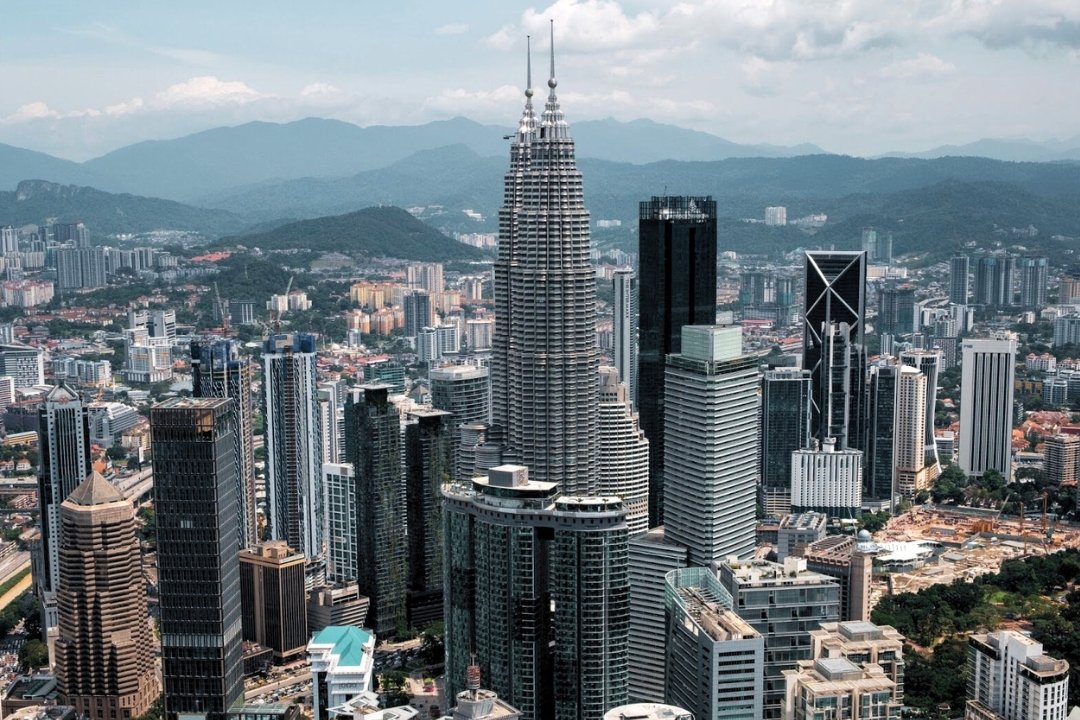
- Klang Valley remains the economic heartland with high-value residential, office and industrial opportunities, spurred by MRT extensions.
- Johor benefits from its position near Singapore, with developments like Forest City and RTS Link enhancing its appeal.
- Penang merges rich heritage with a growing tech industry, drawing professionals and boosting demand for quality homes.
- East Malaysia (Sabah and Sarawak) is emerging thanks to improved infrastructure such as the Pan Borneo Highway and investment in renewable energy.
Green future, long-term stability
Green certifications and upcoming regulations, including a carbon tax from 2026, signal a greener trajectory. Developers focusing on climate-resilient buildings and renewable integration are poised for long-term value creation.

![[IRHM] logo](https://irhmagazine.com/wp-content/uploads/2025/08/IRHM-AWARDS-2025-1024x683.jpg)