


Introduction: The Role of Culture in Modern Hospitality
Today’s travellers are seeking more than luxury linens and postcard-perfect views; the modern guest craves meaning, authenticity, and a genuine connection with the destination. This marks a shift from traditional hospitality to what many describe as the experience economy, an era in which the value of a stay is defined not by material comfort alone but by the depth of the cultural experience it offers. Hotels and resorts are discovering that guests now expect to be part of a story rather than mere spectators, and a growing number of properties are turning to local culture as their narrative foundation, embedding the essence of their surroundings into design, cuisine, and atmosphere. It is no longer enough to provide impeccable service; visitors want to feel where they are.
Luxury resort and hotel chains such as Aman are renowned globally for their commitment to offering cultural experiences and preserving geographic heritage. Over the past few years the resort chain has secured about £710 million (US$900 million) in 2022 from the Public Investment Fund of Saudi Arabia and UK-based Cain International and roughly £285 million (US$360 million) in 2023 from a consortium including Mubadala Capital in Abu Dhabi. The company is now seeking to raise up to approximately £1.58 billion (US$2 billion) to fund its next phase of expansion. These funding rounds highlight the strong growth potential for hotels focusing on cultural experiences beyond luxury, attracting investors who recognise the growing demand for meaningful travel. Aman’s success highlights how authenticity and cultural depth have become valuable business assets within the modern hospitality landscape.
Architectural and Interior Design Reflecting Local Culture
Around the world, the most striking hospitality projects are those that express their surroundings through architecture and interior design. They tell the story of place through the materials and methods that define it.
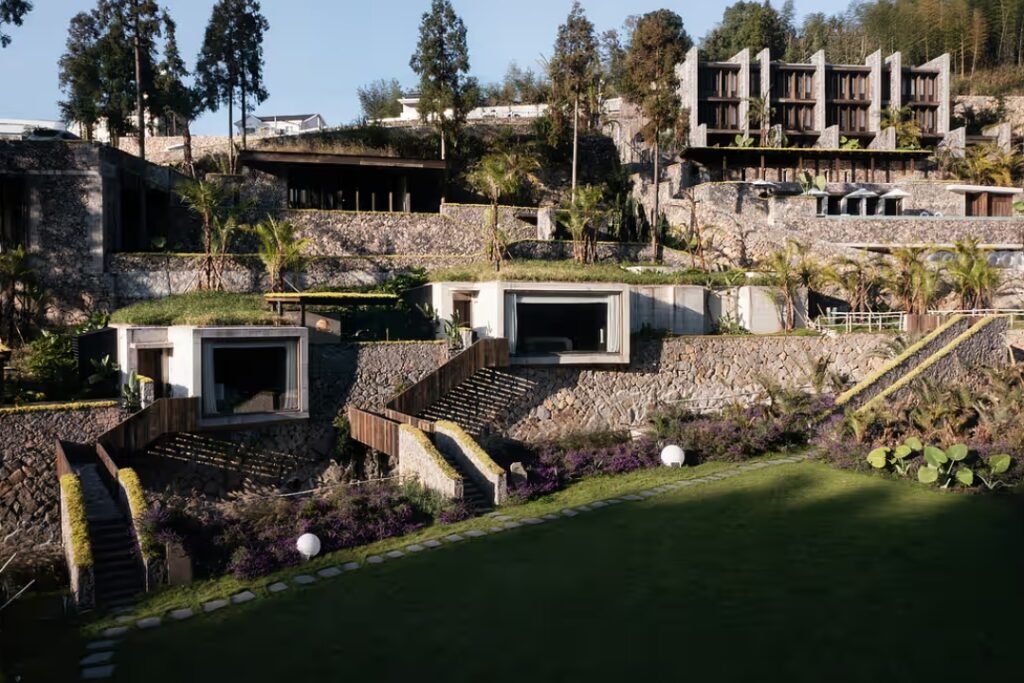
In China, the Murka Hotel in Wenzhou takes its cues from its rural hillside setting, using locally sourced stone and reclaimed timber to reflect the region’s natural character. The design blends with the terrain so effectively that the hotel feels like a continuation of the landscape rather than an interruption.

In Marrakesh, Maison Brummell Majorelle captures the city’s artistic legacy with a modern lens. Its use of tadelakt plaster, Bejmat tiles and handcrafted details pays tribute to Morocco’s intricate craftsmanship while maintaining a contemporary feel.
Over in Antalya, Türkiye, the Radisson Blu Kaş draws upon the rugged beauty of the Lycian coast, combining natural-stone façades and wooden textures that echo the area’s longstanding connection to both sea and land.
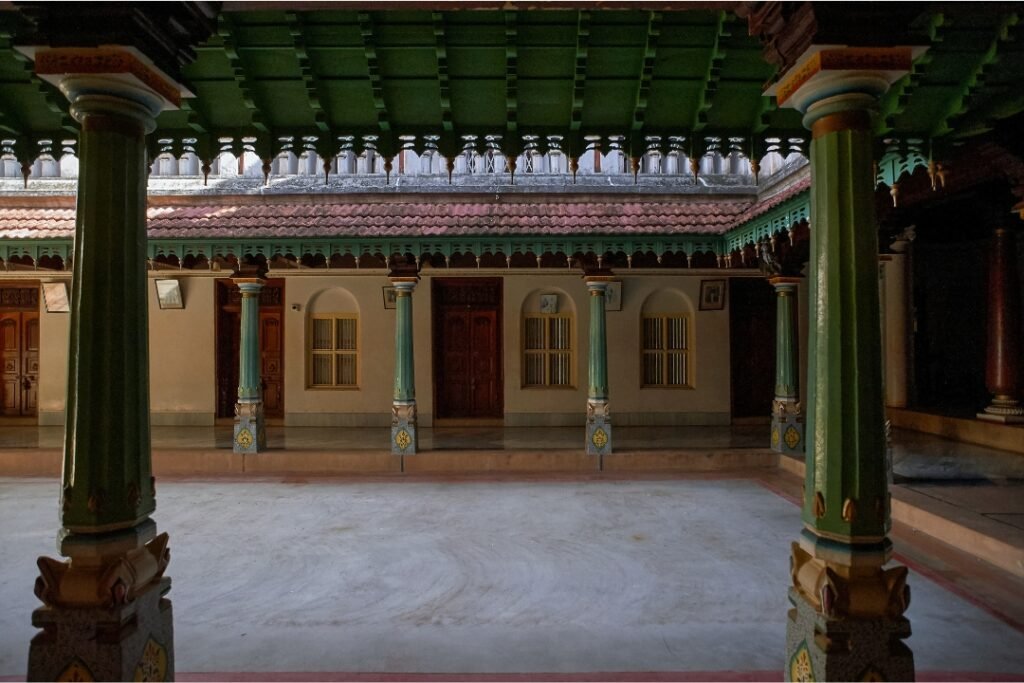
India offers one of the most evocative examples of heritage hospitality in Chettinadu Mansion, a lovingly restored 1902 property in Tamil Nadu. Every carved teak pillar, handmade Athangudi tile and sunlit courtyard celebrates the architectural splendour of the Chettinad region. The restoration carefully preserves traditional methods while introducing modern comforts, ensuring the mansion remains relevant without diluting its character.
Each of these projects illustrates a crucial truth: when hotels are designed with cultural awareness, they transcend visual appeal. They become spaces that speak, architectural expressions of community, tradition and identity that invite guests into an ongoing dialogue with the past.
Culinary Experiences as a Cultural Gateway
Food remains one of the most powerful ways for travellers to experience culture. According to a Future Market Insights report, the global culinary-tourism market was worth approximately US$1.16 trillion in 2024 and is projected to reach around US$5.63 trillion by 2034, representing a compound annual growth rate of 17.1%. This surge reflects a growing appetite for immersive travel experiences rooted in authenticity, sustainability and genuine local connection.
Culinary tourism, often called food tourism, extends far beyond dining. It invites visitors to take part in cooking classes, market walks, vineyard tours, farm-to-table workshops and local food festivals. These experiences tell the story of a region’s people and traditions through taste and technique.
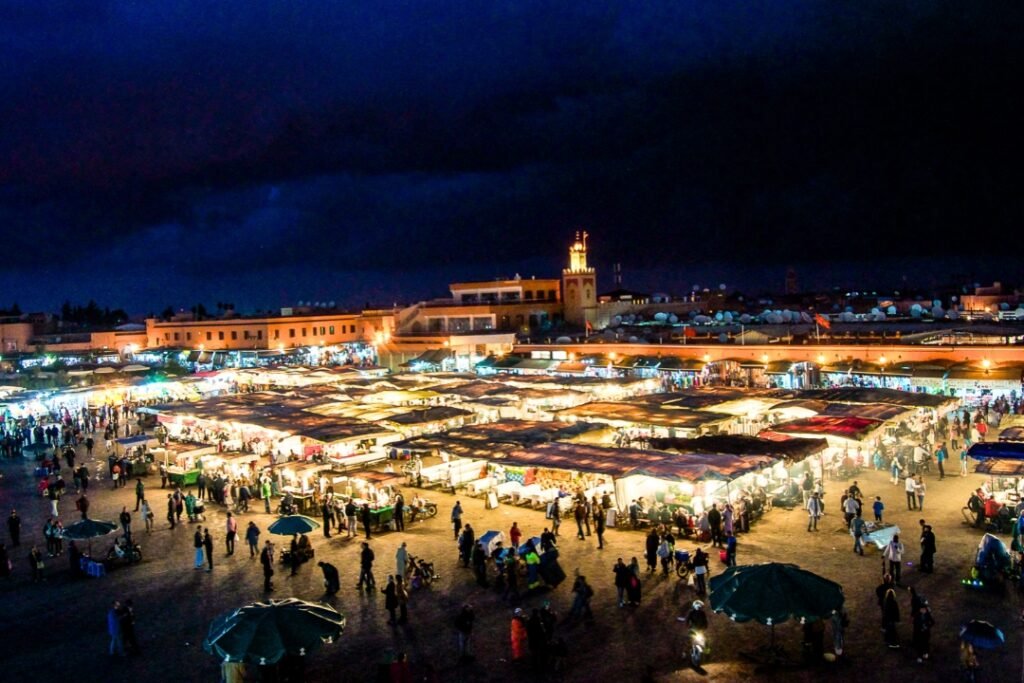
UNESCO’s recognition of the Mediterranean diet and traditional Italian cheese-making as intangible cultural heritage highlights food’s value as both sustenance and cultural identity. Similarly, Morocco’s famous Jemaa el-Fnaa night market in Marrakech, itself listed as a cultural heritage site, demonstrates how food can transform public spaces into living museums.
Local food serves as more than nourishment, it acts as a key motivator for travel, a driver of destination loyalty and a meaningful form of cultural engagement. Research published in the Journal of Gastronomy, Hospitality and Travel (Doğan, 2025) found that visitors who seek out regional cuisine report higher satisfaction with a destination and are more likely to revisit. Tasting local dishes helps travellers understand a region’s traditions, lifestyle and identity, deepening their emotional and cultural connection to the place.
This is reflected in a growing number of experiences centred on food heritage around the world.
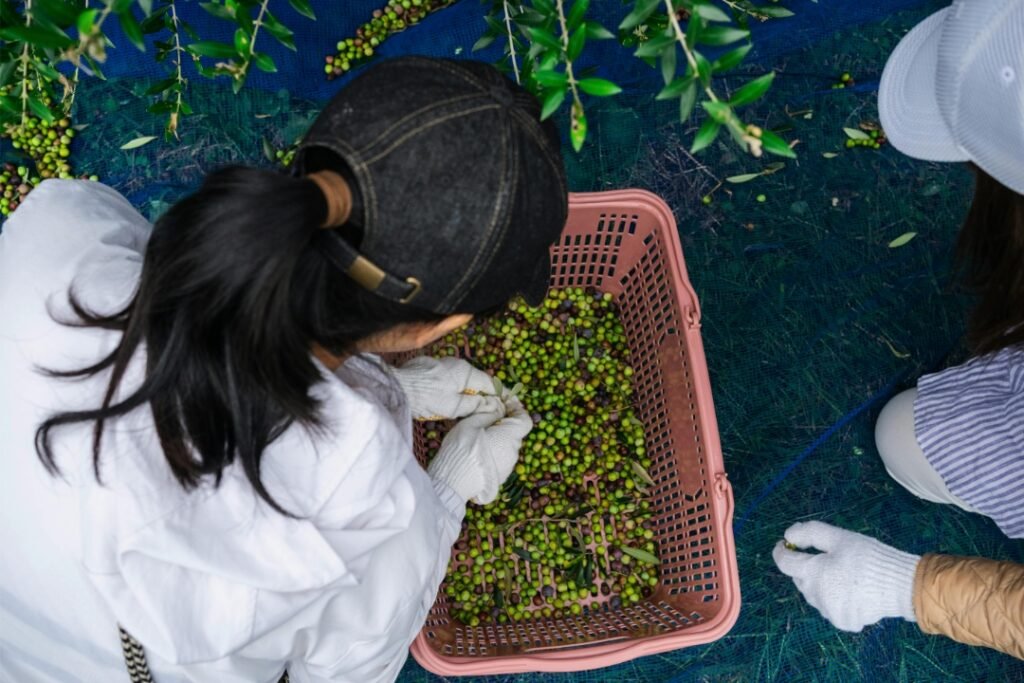
In Greece, visitors can take part in olive-grove harvests, visit traditional mills and join olive-oil tasting sessions in regions such as the Peloponnese, Crete and Kalamata. These immersive activities allow travellers to connect with local agricultural practices and support rural communities and heritage craft.
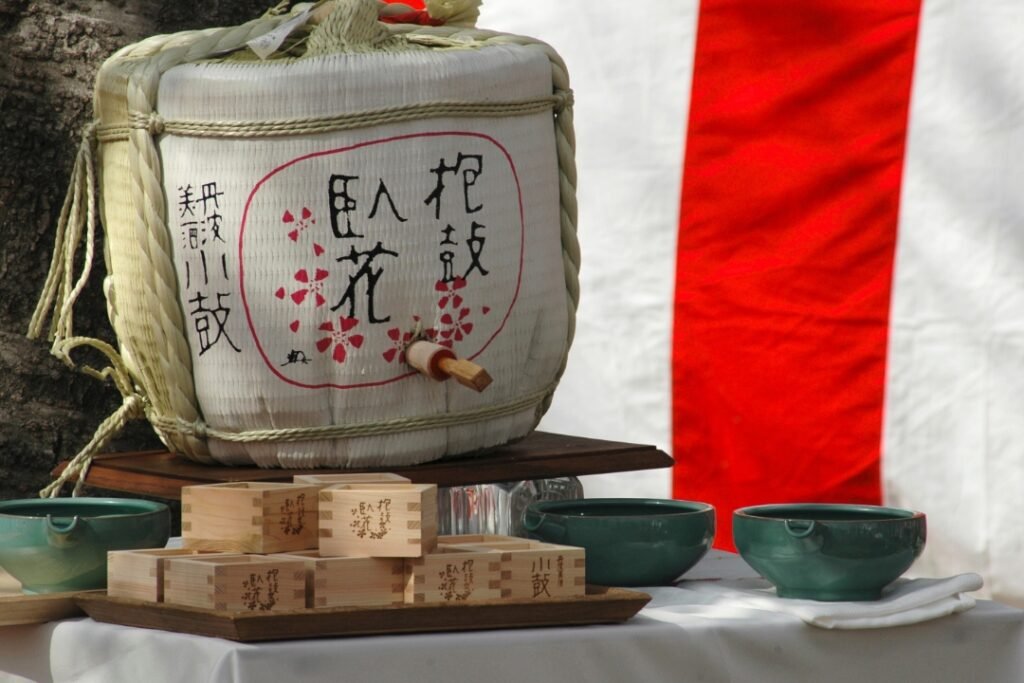
In Japan, many sake breweries welcome guests to learn about regional rice, water and brewing traditions. In Oita Prefecture, for example, traditional sake brewing is recognised as UNESCO Intangible Cultural Heritage. Visitors are able to watch the brewing process, taste locally produced sake and deepen their connection to regional identity.
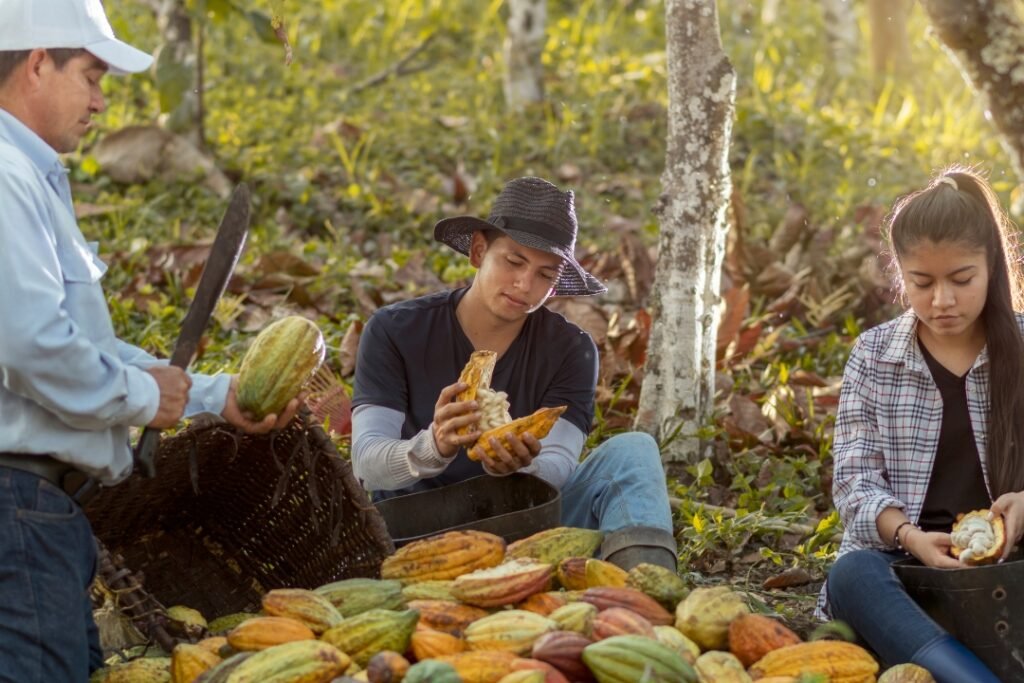
In Mexico’s Tabasco region, travellers can explore historic cacao plantations, witness the process from bean to chocolate and learn about pre-Columbian traditions that continue to shape artisanal production today. These tours highlight the cultural significance of cacao while supporting small producers.
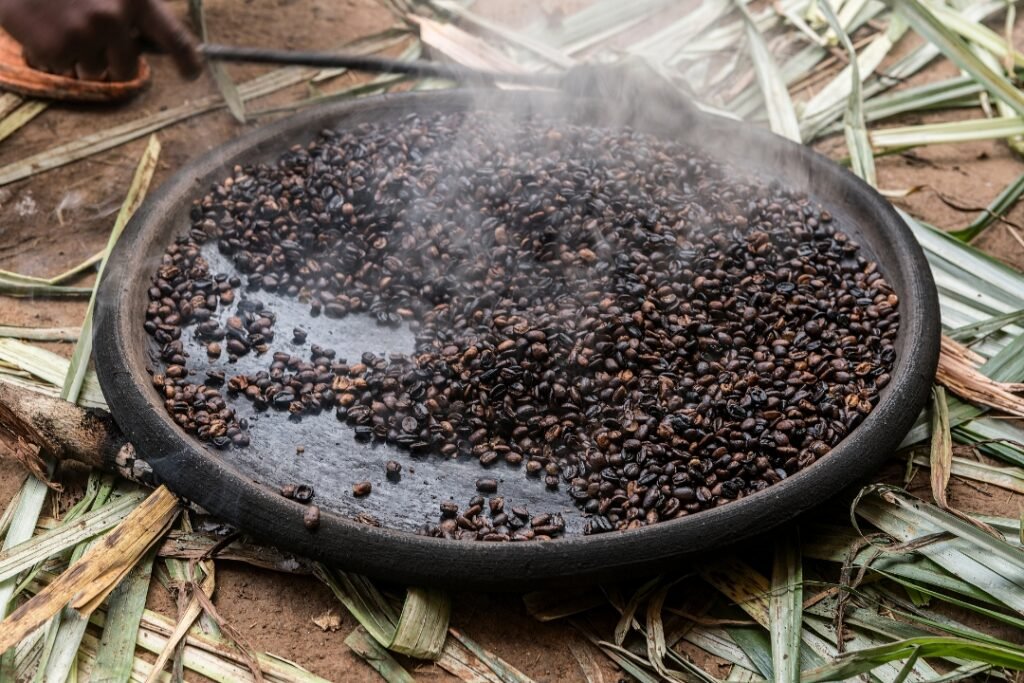
In Ethiopia’s Sidama region, travellers can experience traditional coffee ceremonies, visit farms and take part in roasting and brewing practices. These rituals introduce guests to longstanding customs and agricultural heritage, strengthening appreciation for one of the country’s most important cultural exports.
Staff as Cultural Ambassadors
No design or cuisine can communicate a destination’s soul without the people who represent it. In contemporary hospitality, staff act as cultural interpreters whose knowledge of local language, customs and stories can turn a routine check-in into a memorable exchange. In the UK alone, hospitality employs about 2.6 million people or 7.1% of all jobs, and the workforce is notably international, with non-UK nationals over-represented in hospitality compared with many other sectors.
According to a 2023 McKinsey global analysis, top-quartile executive teams with gender or ethnic diversity are 39% more likely to financially outperform their peers. In the US hotel sector, leadership is becoming more diverse, with women holding 31.3% of independent board seats and Black directors holding 12.6% in 2022.
Employees trained in local customs and etiquette can prevent cultural misunderstandings and enrich the guest experience by sharing folklore, explaining symbolic gestures and communicating the meaning behind local rituals. A team that embodies a destination’s cultural identity serves as its most persuasive storytellers, building mutual respect and creating a richer, more human connection for guests. As a result, equipping staff with cultural intelligence has become a core business imperative rather than simply a desirable attribute.
Collaborations with Local Communities and Artisans
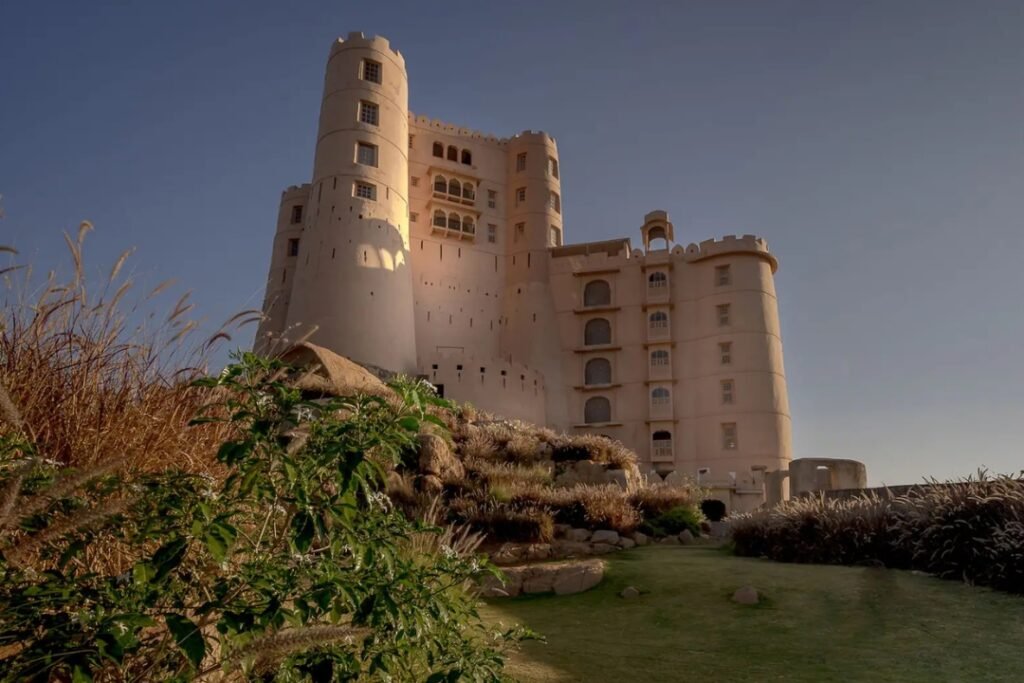
Between Jaipur and Delhi, the 235-year-old Alila Fort Bishangarh stands as a restored sentinel of Rajasthan’s warrior past, a resurrection that required 1,500 craftsmen and seven years of meticulous labour. Today, the fort channels its heritage through “Back to the Roots,” a programme inviting guests to spend the day with Shahpura’s traditional makers, the artisans who sustain the region’s crafts rather than perform them. Visitors throw pots beside families who have shaped this clay for twelve generations, their practiced hands guiding every turn. Lac bangles take a different rhythm: softening resin over coals, rolling it smooth before it cools, learning the cadence of women who craft dozens each day for the local market. Even block-printing dhurries, flat-weave rugs once traded across empires, becomes a study in alignment and patience as teak stamps meet fabric yard by yard. Afterwards, an Ayurvedic session employs village-pressed oils and the time-honoured champi head massage, echoing Sanskrit prescriptions. Throughout the corridors, the soundscape of craft endures, pit looms clacking, jewellers bending over loupes, and a living ledger of skill humming quietly through the fort’s stone heart.

On the outskirts of Shanghai, Amanyangyun tells a parallel story of cultural preservation. The resort was painstakingly assembled from Ming and Qing dynasty courtyard homes and an entire camphor forest relocated from Jiangxi province, an act of rescue as much as reconstruction. Its centrepiece, Nan Shufang, is a scholars’ pavilion reimagined as a working studio. Guests here are not spectators but participants: grinding ink and practising calligraphy with gentle tutors, learning the discipline of brush painting from paper sizing to finished scroll, carving seals from soft stone, or discovering the phrasing of the ancient guqin. Incense ceremonies teach the art of “listening” to wood smoke, while a tea master demonstrates the nuances of gongfu service, how water, temperature, and timing shape the spirit of the brew. Occasionally, visiting academics offer sessions on feng shui and connoisseurship, ensuring that tradition remains not museum-bound but lived. Amid lattice screens and tranquil courtyards, Amanyangyun offers an uncommonly authentic lens into literati culture.
Increasingly, the hospitality industry is weaving such authenticity into its fabric through collaborations with local artisans and communities. From sourcing décor made by neighbourhood craftspeople to designing menus that celebrate nearby farms, hotels are discovering that partnership enriches both guest experience and social impact. According to Booking.com’s 2025 Sustainable Travel Report, 73% of global travellers now prefer accommodations that actively support local communities, while 53% favour those demonstrating tangible environmental and social responsibility. The World Travel & Tourism Council (WTTC) notes that community-based tourism and local sourcing contribute up to 12% of total tourism GDP in emerging markets. Meanwhile, the global market for artisan–hospitality collaborations reached USD 1.42 billion in 2024, with projected annual growth of 8.7% (DataIntelo, 2024). Beyond the statistics lies a richer exchange, one that honours craft, heritage, and mutual respect. By engaging regional creators, hotels like Alila Fort Bishangarh and Amanyangyun not only preserve ancient skills but also forge new livelihoods, proving that true luxury can uplift the hands that shape it.
Cultural Wellness and Experiential Tourism
As the wellness trend continues to reshape travel, cultural influence is redefining what relaxation means in different contexts. The global wellness tourism market was estimated at US$991.7 billion in 2024 and is projected to reach approximately US$2.7 trillion by 2034, reflecting a robust growth rate. In parallel, the global cultural tourism market, estimated at around US$7-8 billion in 2024, is also experiencing strong, double-digit growth.
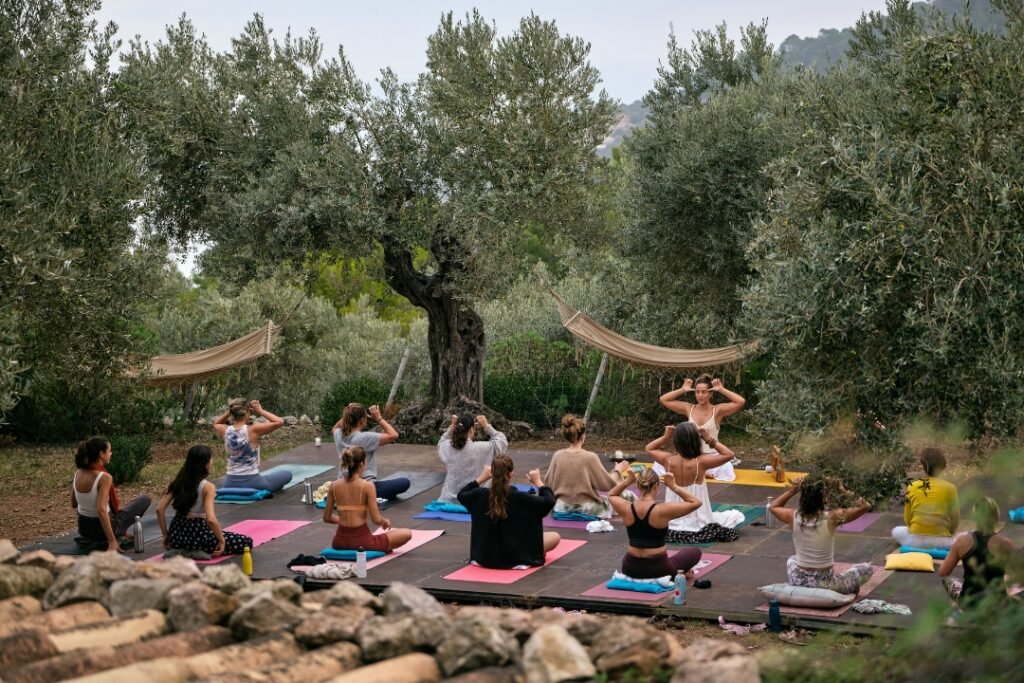
The intersection of these two trends is creating the rapidly expanding niche of cultural-wellness tourism, experiences that blend health, mindfulness and heritage. Examples of this growing field include yoga retreats in India rooted in ancient practice, Alpine spas offering fasting programmes, indigenous healing ceremonies in Latin America, thermal-spring wellness in Japan and craft-based retreats that pair pottery or weaving with mindfulness.
A New Definition of Hospitality
The hospitality industry has always been about welcoming people, but the definition of what it means to “host” is changing. Modern travellers do not just want to be looked after, they want to feel part of something bigger.
When hotels bring together architecture, cuisine, community and tradition, they transform ordinary stays into journeys of cultural discovery. It is an evolution that gives travel back its soul, one authentic experience at a time.





![[IRHM] logo](https://irhmagazine.com/wp-content/uploads/2025/08/IRHM-AWARDS-2025-1024x683.jpg)