

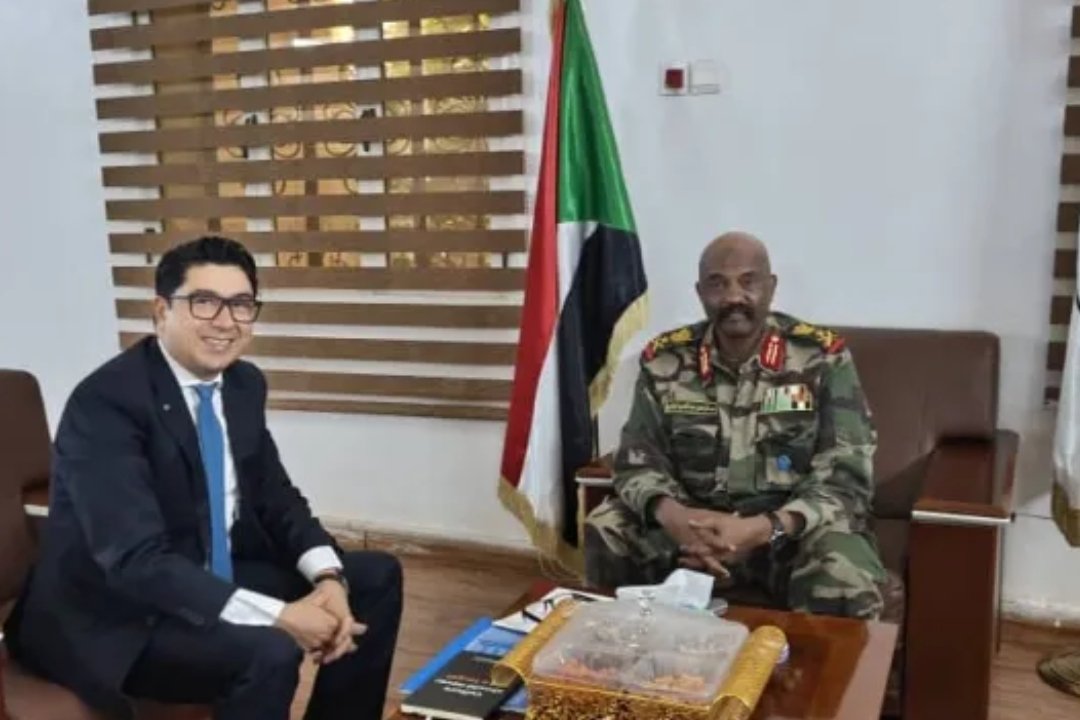

UNESCO representatives and the Governor of Northern State have met to discuss a major expansion of heritage protection measures across the region. Ahmed Junaid Sorosh-Wali, the UNESCO Representative to Sudan, held talks with Governor Lt. Gen. Abdul Rahman Abdul Hamid to address the urgent conservation needs of the country’s archaeological landmarks.
The meeting began with a celebration of Dongola being named the Capital of Tourism 2026. This title reflects the state’s significant potential for international visitors. However, the primary focus remained on the preservation of sites already on the World Heritage List. Mr Sorosh-Wali briefed the Governor on emergency steps taken to protect Gebel Barkal and the Napatan Region. These sites have been protected under the World Heritage banner since 2003 but currently face several conservation challenges.
The UNESCO chief highlighted issues affecting both the central zones and the surrounding buffer areas of these ancient locations. He noted that a collective effort from all local stakeholders is required to maintain the status of these sites for the future. In response, the Governor pledged to resolve administrative hurdles and improve coordination between state authorities and site managers. He also confirmed that resources would be mobilised to protect various archaeological points across Northern State.
A key development from the talks was the Governor’s decision to officially register all archaeological sites with land authorities. Mr Sorosh-Wali described this as a strategic move to ensure the long-term safety of cultural heritage. Furthermore, UNESCO has offered technical help should the Sudanese government choose to resubmit a nomination for the Kerma site. Kerma is currently on the nation’s tentative list for World Heritage status.




![[IRHM] logo](https://irhmagazine.com/wp-content/uploads/2025/08/IRHM-AWARDS-2025-1024x683.jpg)