

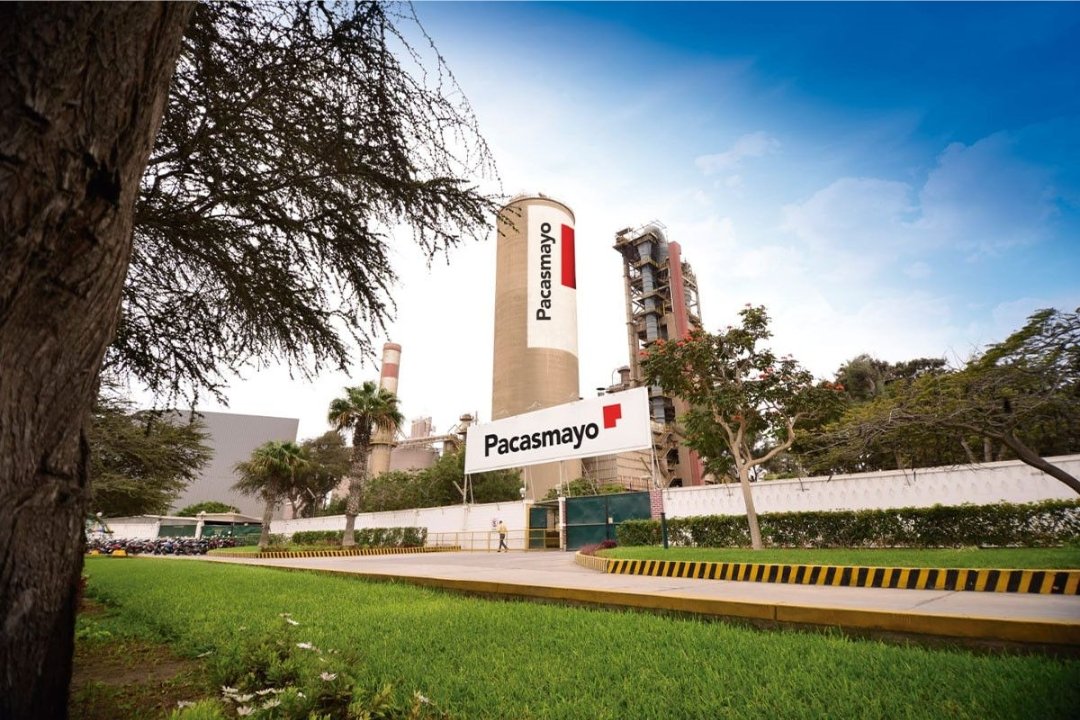

Building materials giant Holcim has reached an agreement to purchase a majority share in Cementos Pacasmayo. The deal aims to solidify the Swiss company’s footprint in Latin America and aligns with its NextGen Growth 2030 strategy. Cementos Pacasmayo is a prominent Peruvian producer with projected net sales of USD 630 million and an EBITDA margin of 28% for 2025.
The acquisition is valued at approximately USD 1.5 billion on a 100% basis. This price represents an 8.8x multiple on the 2025 market consensus EBITDA. Holcim expects the deal to generate around USD 40 million in annual synergies by the third year. This would bring the valuation multiple down to 7.1x. Finance officials expect the purchase to be accretive to earnings per share and free cash flow within the first year.
Cementos Pacasmayo operates three cement plants with a yearly capacity of 5 million tons. Its infrastructure includes 28 plants for ready-mix and precast concrete. The firm also manages more than 300 DINO retail outlets. These stores will work alongside Holcim’s existing Disensa franchise network. The Peruvian company is listed on both the New York and Lima stock exchanges and has a history spanning 67 years.
“The synergistic acquisition of Cementos Pacasmayo is fully in line with our NextGen Growth 2030 strategy to accelerate growth in the attractive Latin America region,” said Miljan Gutovic, CEO of Holcim. “This is an opportunity to continue Cementos Pacasmayo’s exceptional legacy, built on its strong performance culture, its deep commitment to its people and its well regarded brand in Peru. The company is highly cash generative with a complementary portfolio in building materials as well as building solutions. I look forward to welcoming Pacasmayo’s 2 000 employees to Holcim and to accelerating growth together.”
This move follows Holcim’s recent entry into the Peruvian market. Over the past year, the group acquired Comacsa, Mixercon, and Compañía Minera Luren. The latest transaction is subject to regulatory approvals and standard closing conditions. It is expected to be completed in the first half of 2026.