

Few hotel groups can trace a clear line from a single rented office in Singapore to a portfolio spanning four continents. Millennium Hotels and Resorts is one of them. The story behind the brand is not one of overnight ambition but of methodical, decades-long expansion, shaped by strategic acquisition, considered risk and a clear sense of what long-term value in hospitality actually looks like. That story reached a notable point in 2025, when the group marked both the 30th anniversary of the Millennium Hotels and Resorts brand and the 62nd year of its parent company, City Developments Limited. Two milestones, arriving almost together, that say something about how the group has been built.
Foundations in Property
The group’s origins lie not in hospitality but in real estate. City Developments Limited (CDL) began in a small rented office in Amber Mansions on 7 September 1963, staffed by only eight employees, with a mandate to acquire, develop and sell property. The company went public in November that year, with its shares listed on what was then known as the Malayan Stock Exchange.
Those early years were far from straightforward. CDL was unprofitable for its first seven years of operation, with the race riots of 1969 and the withdrawal of British troops from Singapore affecting property markets across the region. The company was forced to consolidate, pulling back from its Johor Bahru developments and refocusing on the Singapore market.
The turning point came in 1972. The Hong Leong Group, under the guidance of founder Kwek Hong Png, acquired a controlling interest in CDL and embarked on a strategic diversification into investment properties. Kwek Leng Beng, who led that acquisition as an executive of the Hong Leong Group, became managing director of CDL in 1974. Under his leadership, the company grew steadily through the late 1970s and 1980s, building the scale that would eventually support its move into hotels.
The Pivot into Hospitality
In 1989, CDL made its first hotel acquisition, King’s Hotel in Singapore, soon followed by the Orchard Hotel. From those two properties, the group built an international hotel platform at considerable pace, adding properties in Kuala Lumpur, Manila, Taipei and New Zealand through the early 1990s.
The most consequential early move came in 1993, when CDL made its first acquisitions outside the Asia Pacific region, purchasing the 548-room Gloucester Hotel and The Bailey’s Hotel in London alongside a 13-hotel chain in New Zealand. The following year, the group entered the United States, acquiring the Millennium Hilton and the Millennium Broadway Hotel in New York. In 1995, the group paid £219 million to acquire Copthorne Hotels from Aer Lingus, adding properties across the UK, Germany and France and bringing the total portfolio to 55 hotels. That same year, the Millennium Hotels and Resorts brand was formally launched.
In 1996, Millennium and Copthorne Hotels plc listed on the London Stock Exchange, notably the first Singapore-controlled company to achieve that distinction. CDL retained majority ownership. By the end of the decade, following the acquisition of the Regal hotel chain in the United States and the Seoul Hilton in 1999, the group had grown into one of the world’s 50 largest hotel companies by portfolio size.
Structure and Global Reach
In 2019, CDL completed the full privatisation of Millennium and Copthorne Hotels, acquiring the remaining public shares and de-listing the company from the London Stock Exchange. The group has since operated as a wholly-owned CDL subsidiary, integrated more closely into the parent company’s broader real estate and asset management strategy.
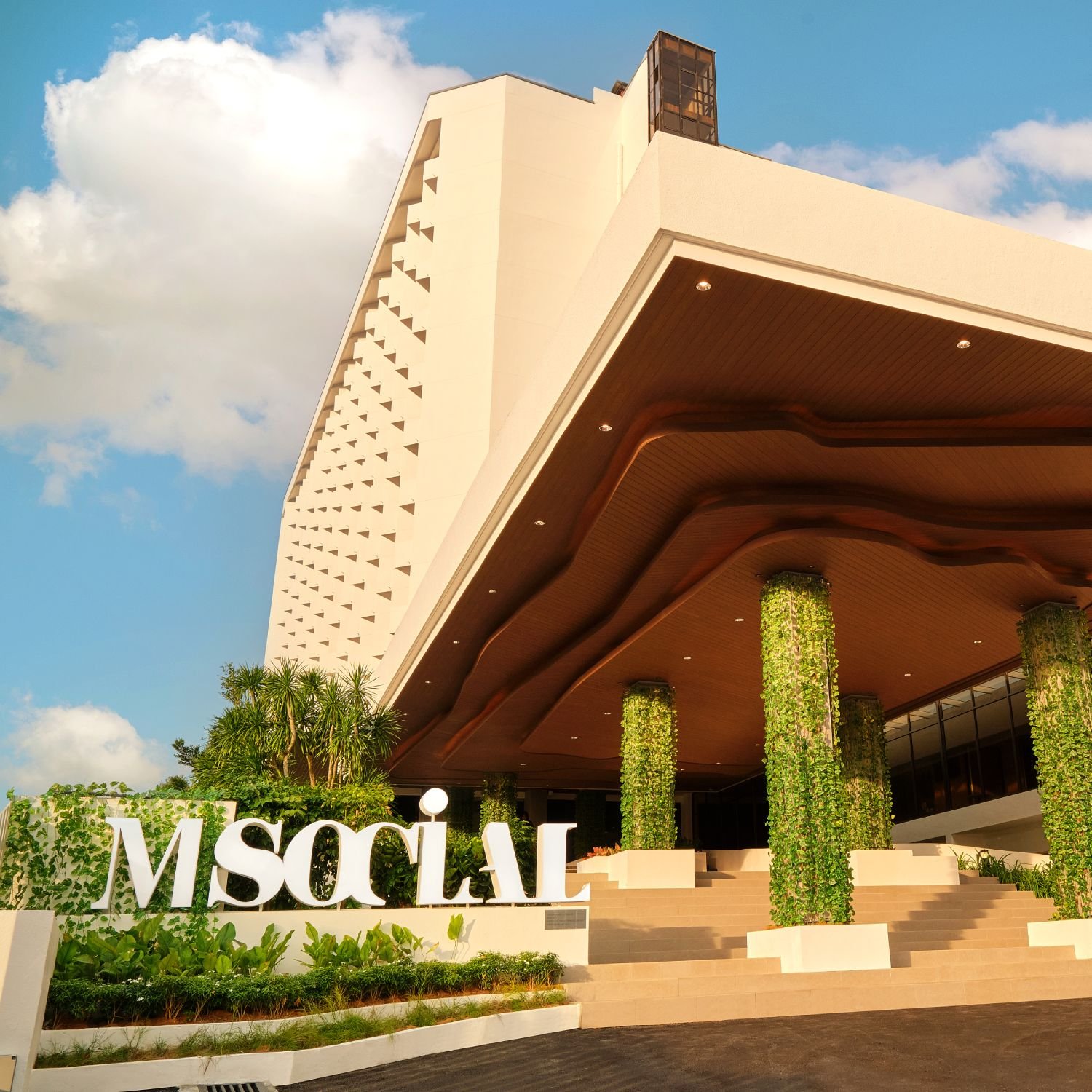
Today, Millennium Hotels and Resorts manages more than 145 properties across over 80 destinations, headquartered jointly in Singapore and London. The group operates under several distinct brands, including Grand Millennium, Millennium, M Social, Copthorne, Studio M and The Biltmore, covering market segments from upper-midscale to luxury. A long-term ambition to reach 500 properties has been stated, with growth focused on gateway cities and established leisure destinations rather than expansion for its own sake.
CDL’s sustainability credentials are reflected in how Millennium operates. CDL is widely recognised as a leader in sustainable real estate development, and that ethos shapes the group’s approach to property investment, asset enhancement and day-to-day hotel operations across the portfolio.
Operating Across a Diverse Estate
Running more than 145 properties across such a range of building types, markets and guest segments presents a genuine operational challenge. Millennium’s approach to consistency is rooted in service culture rather than standardised architecture. Training programmes, shared operational benchmarks and the MyMillennium loyalty scheme are all used to maintain recognisable service standards, whether a guest is staying in a Victorian heritage building or a contemporary high-rise.
Technology increasingly supports that model. The group uses AI-assisted tools to handle routine guest inquiries and to identify preferences from past stays, with the aim of giving frontline staff more time for direct interaction. Critically, AI-generated responses are reviewed by staff before they reach the guest, keeping human judgement at the centre of the experience.
The MyMillennium loyalty programme ties much of this together commercially. By encouraging repeat visits and building direct guest relationships, the group reduces reliance on third-party booking platforms and gains clearer visibility of travel patterns across its estate. In markets where distribution costs are under sustained pressure, that direct connection carries real operational value. The programme’s reach was extended further in late 2025, when Millennium announced a strategic loyalty partnership with IHCL, the company behind India’s Taj Hotels, giving MyMillennium members reciprocal benefits across both global portfolios.

A Measured Approach to Growth
Millennium’s expansion priorities reflect the same restraint that has characterised the group throughout its history. The focus is on strengthening presence in markets where brand recognition already exists, through asset enhancement, selective acquisitions and management agreements with partners who share a long-term outlook. Growth decisions are assessed against environmental impact and operational efficiency alongside financial return, consistent with CDL’s broader corporate commitments.
From CDL’s difficult first decade in Singapore to the measured build-out of a global hotel brand across four continents, Millennium’s path has been defined less by pace than by durability. In an industry that has seen many rapid risers fade just as quickly, that is a meaningful distinction.
A Conversation from the Inside
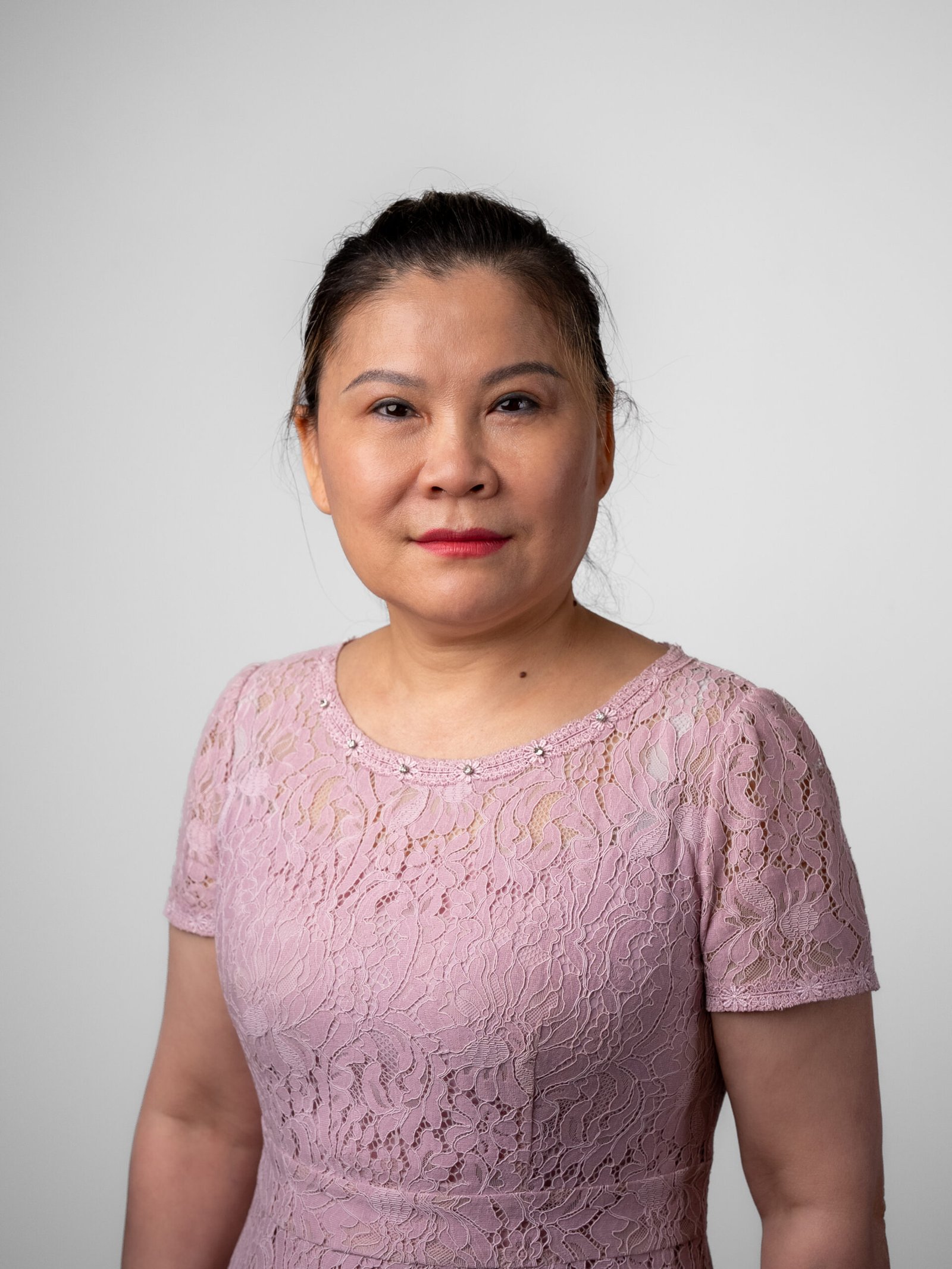
To understand how that philosophy plays out in practice, this issue spoke with Kim Tian, Cluster Manager for The Bailey’s Hotel in South Kensington and Chelsea Harbour Hotel and Spa on the London waterfront. The two properties sit at opposite ends of the Millennium portfolio in character: The Bailey’s marks its 150th anniversary in 2026, placing it among the longest continuously operating hotels in London, while Chelsea Harbour is a five-star contemporary property catering to a different kind of traveller altogether. Managing both under a single cluster structure, Tian oversees teams with distinct identities while holding to the same group-wide standards.
Her own career within the industry mirrors much of what Millennium values institutionally. She has risen to a senior management role that requires both strategic oversight and a thorough understanding of the operational foundations that keep hotels running. In the Q&A that follows, she speaks candidly about what it takes to maintain standards across contrasting properties, how the group approaches loyalty and technology, and why London remains central to Millennium’s global thinking.
International Real Estate & Hospitality Magazine: Millennium Hotels and Resorts has over 145 properties across four continents. What truly sets Millennium apart from other global hotel groups?
Kim Tian: Millennium Hotels & Resorts stands out because of its balance between global scale and local character. While we operate over 145 properties worldwide, we do not believe in a “one-size-fits-all” approach. Each hotel reflects the culture and personality of its destination, yet all share the same commitment to quality, service excellence and authentic hospitality.
We focus on sustainable growth, strong governance, and meaningful guest experiences rather than rapid expansion for its own sake. That combination of heritage, international reach and local authenticity truly differentiates us.
IRHM: The group has expressed a long-term goal to reach 500 hotels. What are the main priorities for growth right now, particularly in the UK and Europe?
KT: Our growth strategy is focused on strategic expansion in key gateway cities and high-performing leisure destinations. In the UK and Europe, this means strengthening our presence in capital cities and major regional hubs where we already have brand recognition.
We are prioritising:
- Asset enhancement and repositioning of existing properties
- Selective acquisitions and management agreements
- Strengthening partnerships with owners who share our long-term vision
Sustainable development is also central to growth. Every expansion decision considers environmental impact plus operational efficiency and of course long-term value creation.
IRHM: With six hotels in London alone, why is the UK market so central to the group’s global strategy?
KT: The UK, and London in particular, is fundamental to Millennium Hotels & Resorts because it represents one of the most dynamic and internationally connected hospitality markets in the world. London attracts a diverse mix of leisure travellers, corporate guests, diplomatic delegations and long-stay visitors throughout the year, providing consistent demand across segments.
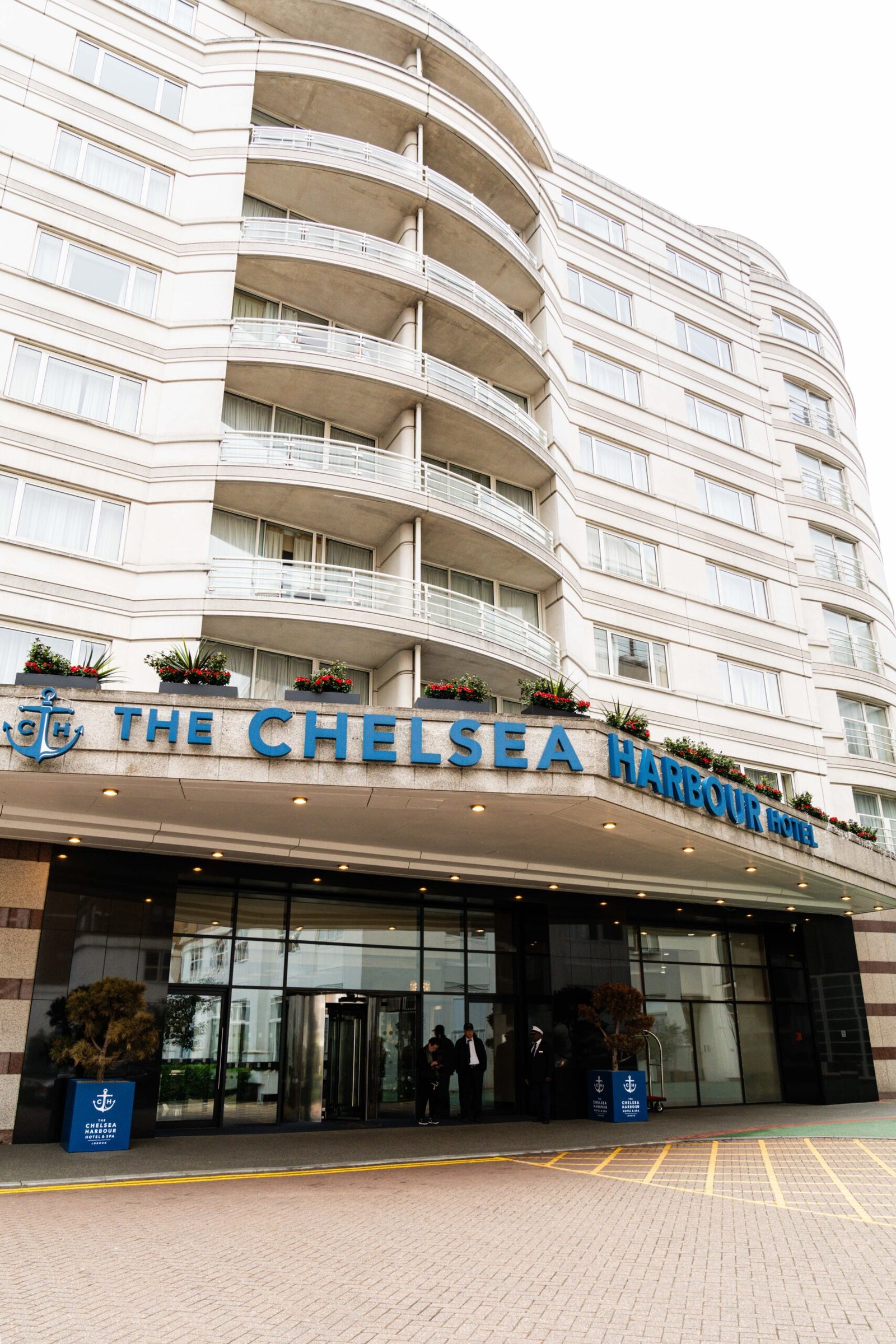
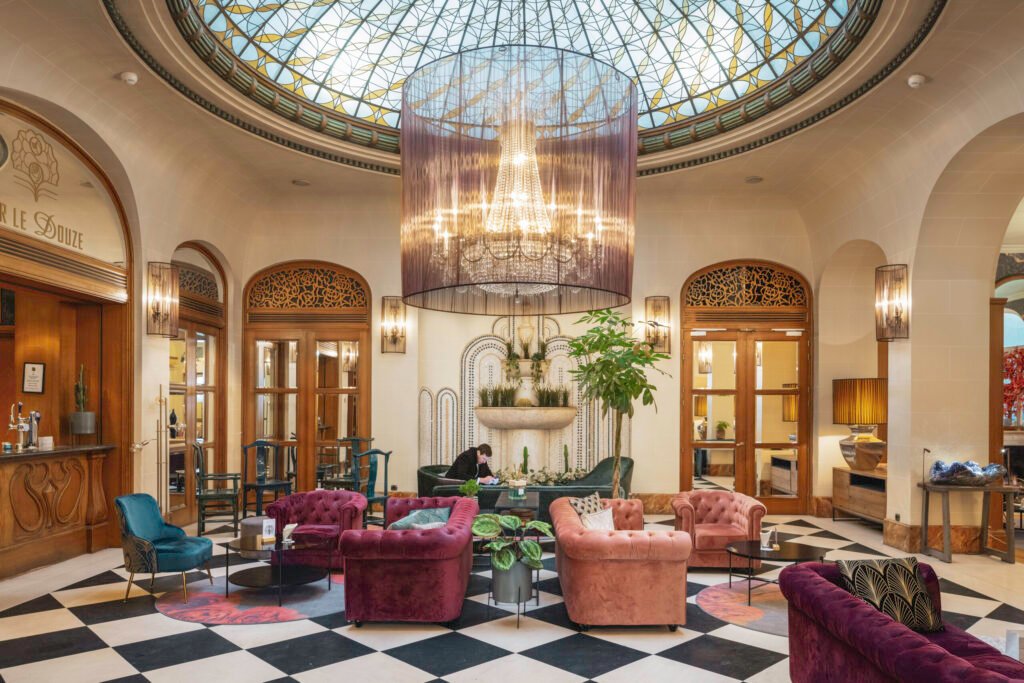
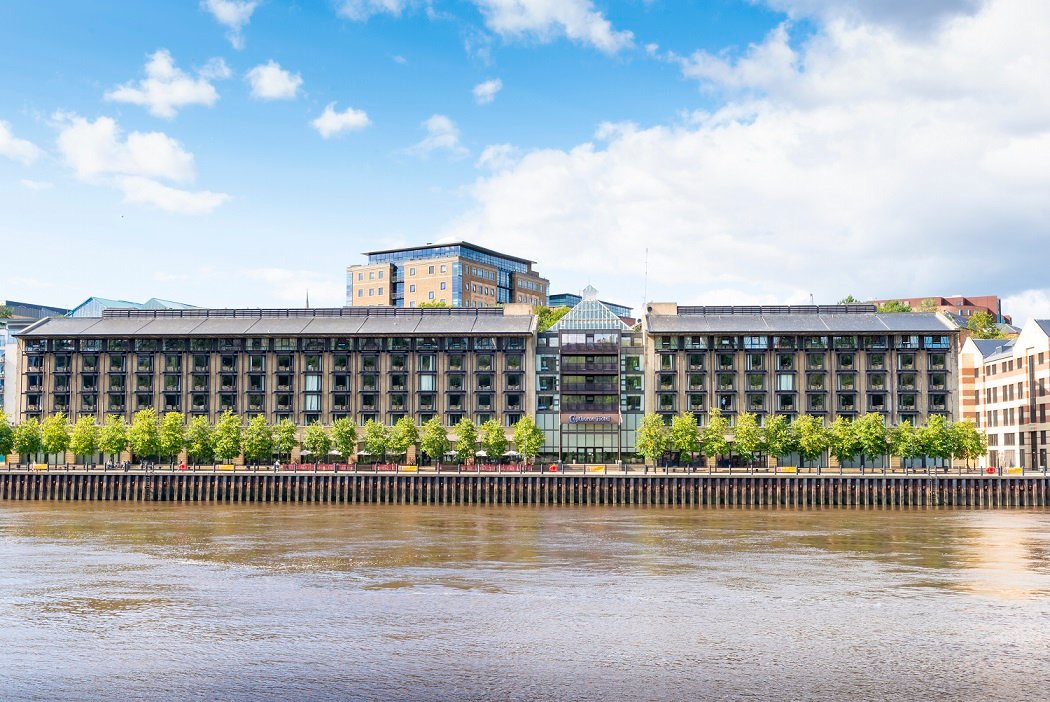
What makes our London presence especially powerful is the diversity of our portfolio. From the heritage elegance of The Bailey’s and the five-star waterfront experience at Chelsea Harbour Hotel & Spa, to the exceptional location of Millennium Knightsbridge and Millennium Gloucester and the accessible, family- and business-friendly offering at Copthorne Tara, we can serve multiple markets under one global brand.
This breadth allows us to capture a wide spectrum of travellers while maintaining consistent service standards. It also creates operational synergies, cross-selling opportunities, and strong brand visibility in one of the world’s most competitive cities.
Performing successfully in London strengthens our global reputation. If you can thrive in this market, it demonstrates operational excellence, resilience and brand credibility on an international stage.
IRHM: How is Millennium using new technology like AI while still keeping the personal service that luxury guests expect?
KT: Hotels use AI to draft responses, analyse guest preferences, or handle simple inquiries so staff have more time to deliver face-to-face luxury service. Tech suggestions get reviewed by real concierges before reaching the guest. AI systems recognise patterns from past stays (room type preferences, dining choices, special occasions) and give staff actionable insights, allowing the team to proactively personalise experiences up-sell and optimise revenue.
IRHM: The MyMillennium loyalty scheme is a big focus for the group. How important is building that repeat business for your future plans?
KT: MyMillennium is central to our long-term strategy. Loyalty drives not only repeat bookings but deeper relationships with our guests. It allows us to understand travel patterns, personalise offers as well as creating tailored experiences that strengthen brand connection.
In a competitive global market, direct relationships are invaluable. Building loyalty ensures sustainable revenue, reduces reliance on third-party platforms, and supports our ambition for continued global expansion.
IRHM: Millennium has everything from historic landmarks to brand-new builds. How does the group make sure a guest gets the same ‘Millennium experience’ regardless of the style of the building?
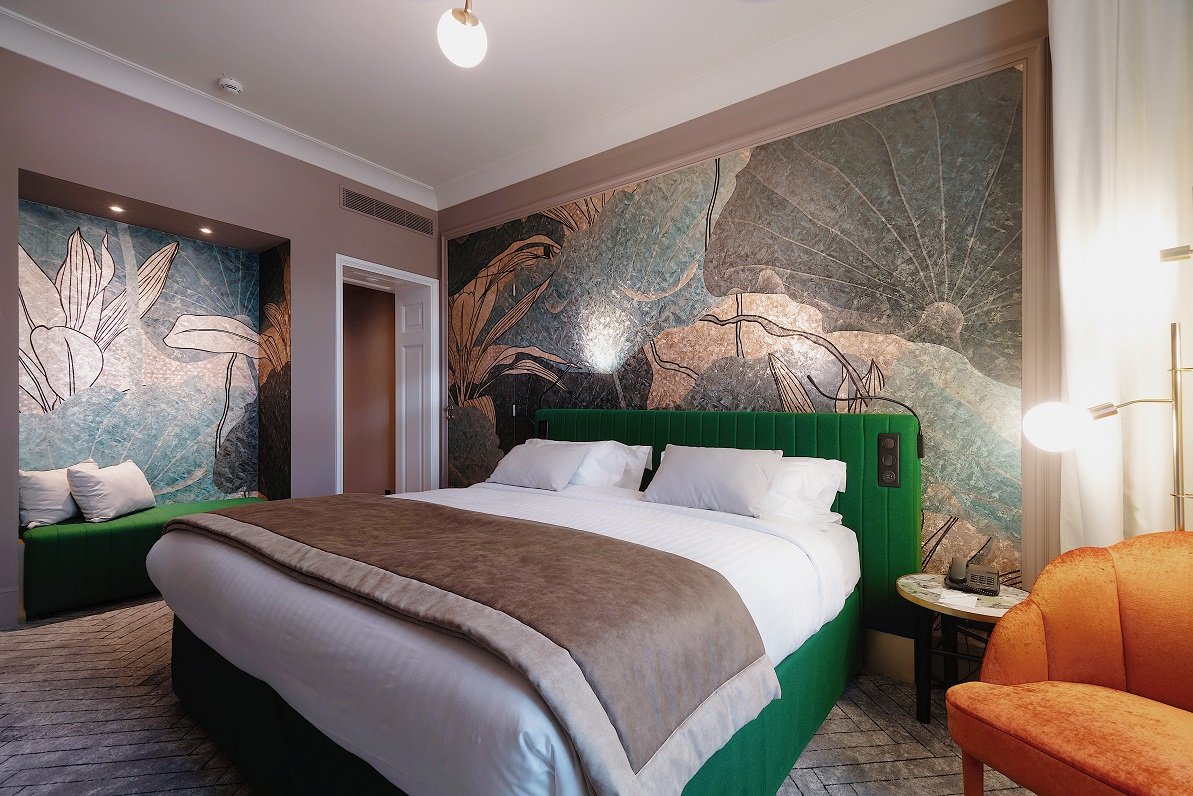
KT: The Millennium experience is defined by service culture rather than architecture. While each property has its own personality, our brand standards ensure consistency in:
- Service delivery
- Cleanliness and comfort
- Food and beverage quality
- Guest recognition and engagement
- MyMillennium loyalty across all properties
Training programmes, operational benchmarks, and shared company values ensure that whether a guest stays in a heritage property or a contemporary high-rise, they experience the same warmth and professionalism.
IRHM: The Bailey’s Hotel is celebrating 150 years in 2026, while Chelsea Harbour is a contemporary five-star hotel. How do these two very different properties fit into Millennium’s overall strategy?
KT: For The Bailey’s Hotel; it’s an extraordinary milestone. Very few hotels can say they’ve been welcoming guests for 150 years. Personally, I feel honoured to be part of this chapter in the hotel’s long history. Professionally, it’s a reminder that true hospitality stands the test of time. Bailey’s has adapted through generations, world events, and changing travel trends, yet our commitment to warm, personalised service has remained constant.
The Bailey’s represents heritage, tradition, and timeless London charm, while Chelsea Harbour showcases contemporary luxury and waterfront sophistication.
Together, they demonstrate the diversity within the Millennium portfolio. They appeal to different market segments — heritage leisure travellers, corporate clients, luxury seekers — yet both embody the same service philosophy. This diversity strengthens our competitive position and broadens our market reach.
IRHM: Managing two flagship hotels with such different characters must be challenging. How do you balance your time between the two, and what are the main day-to-day challenges of running a ‘cluster’?
KT: Cluster management requires strategic alignment and strong leadership teams on the ground. My role is to ensure both hotels operate with clear direction while respecting their unique identities.
The main challenges include balancing resources, maintaining consistent brand standards, and ensuring communication flows seamlessly across both properties. However, cluster operations also create efficiencies — shared expertise, collaborative problem-solving and operational synergies.
Ultimately, success depends on empowering strong departmental leaders and fostering a unified culture across both teams.
IRHM: You have worked your way up to Cluster Manager. How has that journey, along with your language skills, helped you lead these teams and connect with your international guests?
KT: I’ve worked for Millennium Hotels & Resorts for over 20 years and starting in a more junior role gave me a deep appreciation for the operational foundations of hospitality. It taught me humility, attention to detail, and respect for every role within the hotel. That perspective shapes how I lead today with empathy and a hands-on understanding of the guest journey.
Speaking multiple languages has also been invaluable. Hospitality is about connection. Being able to communicate directly with guests and team members from different cultural backgrounds builds trust and strengthens relationships.
My journey reflects what hospitality is truly about; growth through service, teamwork and a commitment to excellence.
![[IRHM] logo](https://irhmagazine.com/wp-content/uploads/2025/08/IRHM-AWARDS-2025-1024x683.jpg)