

The Ha Noi Municipal People’s Council gave its unanimous approval to a sweeping master plan on March 28. This document outlines a bold 100-year vision to turn the capital into a leading global city. The strategy focuses on achieving some of the highest living standards and happiness levels in the world.
Economic targets within the plan are ambitious. Ha Noi is aiming for an average annual GRDP growth rate of over 11 per cent through 2045. Officials project the city’s economic scale will reach US$200 billion by 2035 and US$640 billion by 2045. By 2065, the figure is expected to hit approximately US$1.92 trillion. The capital intends to serve as a major hub for technology, education and healthcare in the Asia-Pacific region.
The spatial transformation of the city relies on nine designated growth poles. These include the Central Urban Area on the right bank of the Red River and several regional poles such as Dong Anh – Me Linh – Soc Son and Hoa Lac. The Red River itself will act as a central ecological and cultural axis for the city. This multi-layered model also includes nine major urban centers. Each center will have specific roles ranging from administrative tasks to logistics and tourism.
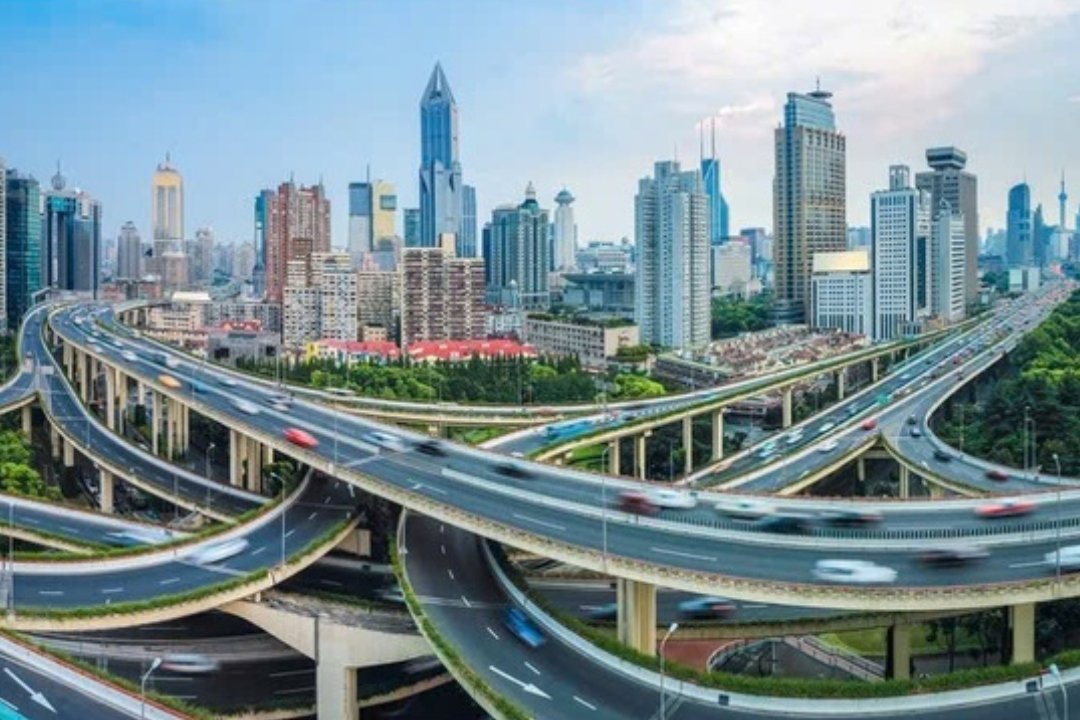
Infrastructure is a primary focus of the new plan. Ha Noi intends to build a modern public transport system with an urban rail network covering roughly 1,200 kilometers. A second international airport is also proposed for the southern area around Ung Hoa and Chuyen My. This facility will follow an airport city model and is expected to manage 50 million passengers every year.
Population management remains a key factor for sustainable growth. The city expects its population to reach 14-15 million by 2035 and 17-19 million by 2065. A long-term cap of 20 million people has been set. The plan covers the entire administrative area of 3,359.84 square kilometers and seeks to improve links with the wider Red River Delta.
Environmental goals are also prominent in the report. The city plans to restore the To Lich, Nhue and Day rivers. Leaders intend to adopt circular economy practices and advanced waste treatment to stop the use of landfills. By 2045, Ha Noi hopes to be a destination for global knowledge before becoming one of the world’s most livable capitals after 2065.

![[IRHM] logo](https://irhmagazine.com/wp-content/uploads/2025/08/IRHM-AWARDS-2025-1024x683.jpg)