


With nearly two decades at Pam Golding Properties, Jonathan Tagg has overseen the launch and sell-out of more than 20 residential developments across Mauritius. As Projects Director, his work spans boutique coastal projects to large-scale Smart City estates, balancing market demand, design and adaptability in a rapidly changing property landscape.
Tagg’s approach is grounded in pre-development planning and location strategy. His experience is closely tied to the evolution of Mauritius from a holiday home market to a full-time residential destination for international buyers, particularly since the pandemic accelerated remote working and family relocation.
In this Q&A, Tagg discusses maintaining a boutique approach at scale, the maturation of Smart City developments like Mont Choisy, shifting buyer profiles and the outlook for capital appreciation. He also offers practical guidance for first-time investors in the Mauritius property market.
International Real Estate & Hospitality Magazine: You have spent nearly 2 decades with Pam Golding Properties. How has your personal strategy for managing large-scale developments evolved over that time?
Jonathan Tagg: The key to any successful launch is in the pre-development work of ensuring the project has a place in the market. It starts with evaluating what is right for the land and how the location will attract interest from the buying public.
Secondly the developer and their vision for the land is key. Should the developers vision match market requirements and demand, then we have a likely successful project. Through strong collaborations we have been able to launch and successfully sell out over 20 developments in Mauritius.
The launch phase is key to the success of the project and our agency and our development partners need to ensure we get momentum moving however we have to remain flexible in our planning and if we need to make adjustments, we need to move quickly to ensure we are matched to market requirements.
Over the two decades we have had to evolve our strategies from traditional real estate marketing into the digital age however understanding that our agents are key to the clients confidence in investing in Mauritius.
IRHM: As Projects Director, how do you ensure that a new development maintains the “boutique” feel Pam Golding is known for while operating at a high volume?
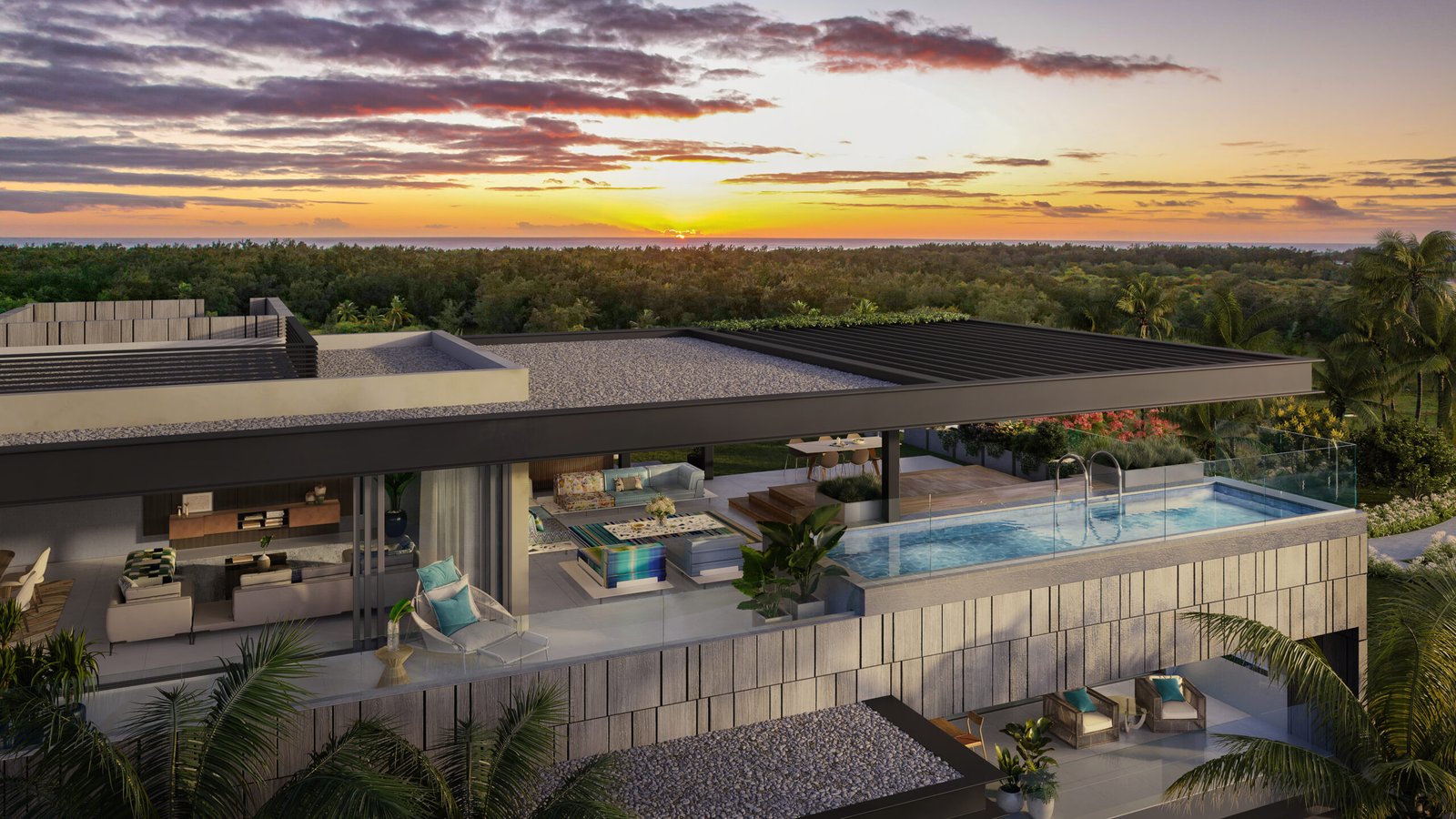
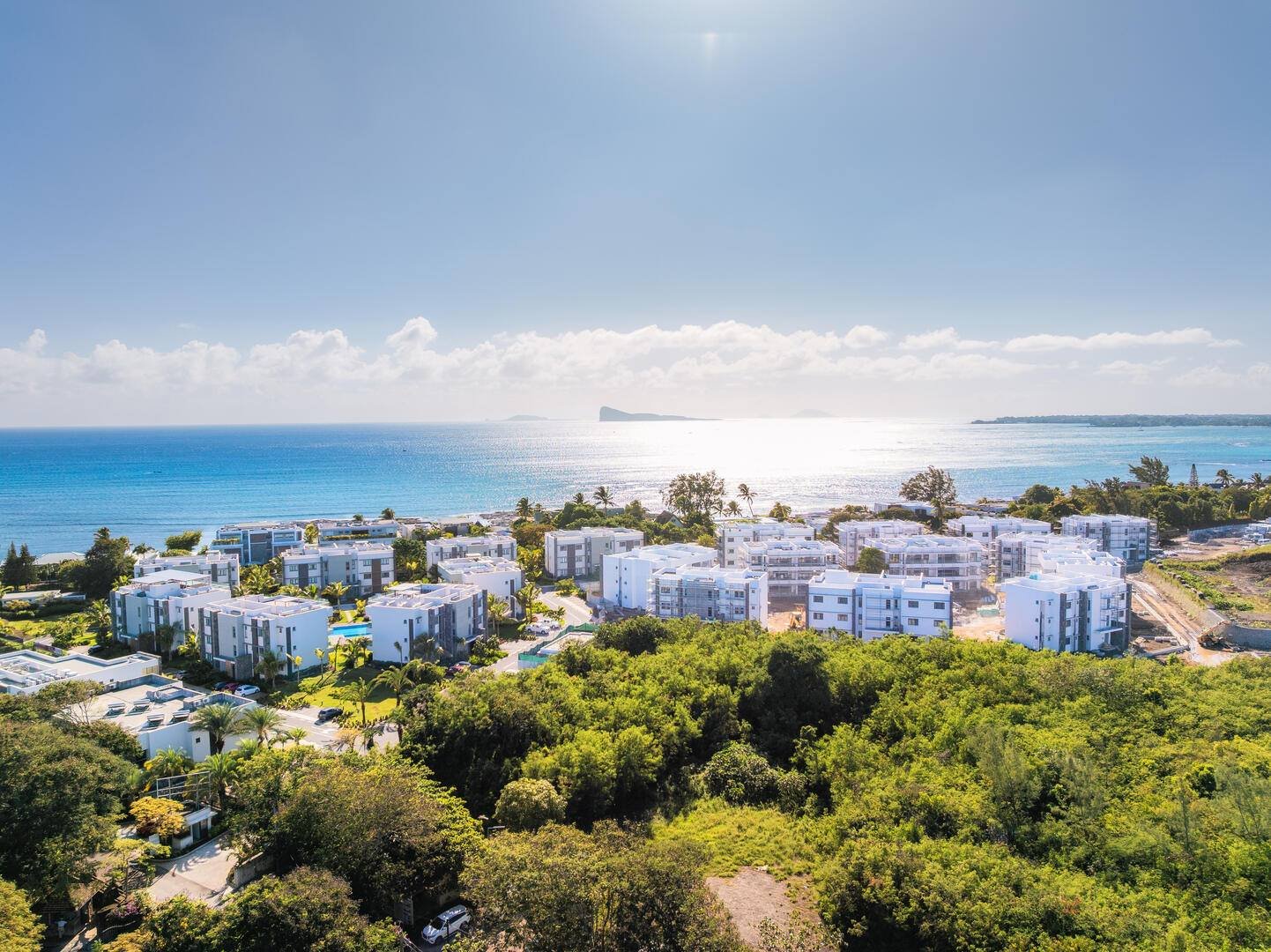
JT: Mauritius has a very limited land mass of coastal land in the popular towns of Grand Baie and Tamarin and most projects are 20-50 units ensuring that they maintain a boutique type feel. Prime coastal developments with sports facilities or beach facilities always attract lifestyle buyers.
Although not high volume it is developments of a unique offering like the developments referred to above that cater to clients wanting a coastal lifestyle around the beach that attract the most attention and will provide both lifestyle and future capital growth.
IRHM: With the Mont Choisy Smart City maturing, how are you integrating the latest “Smart City” infrastructure into the living experience for residents?
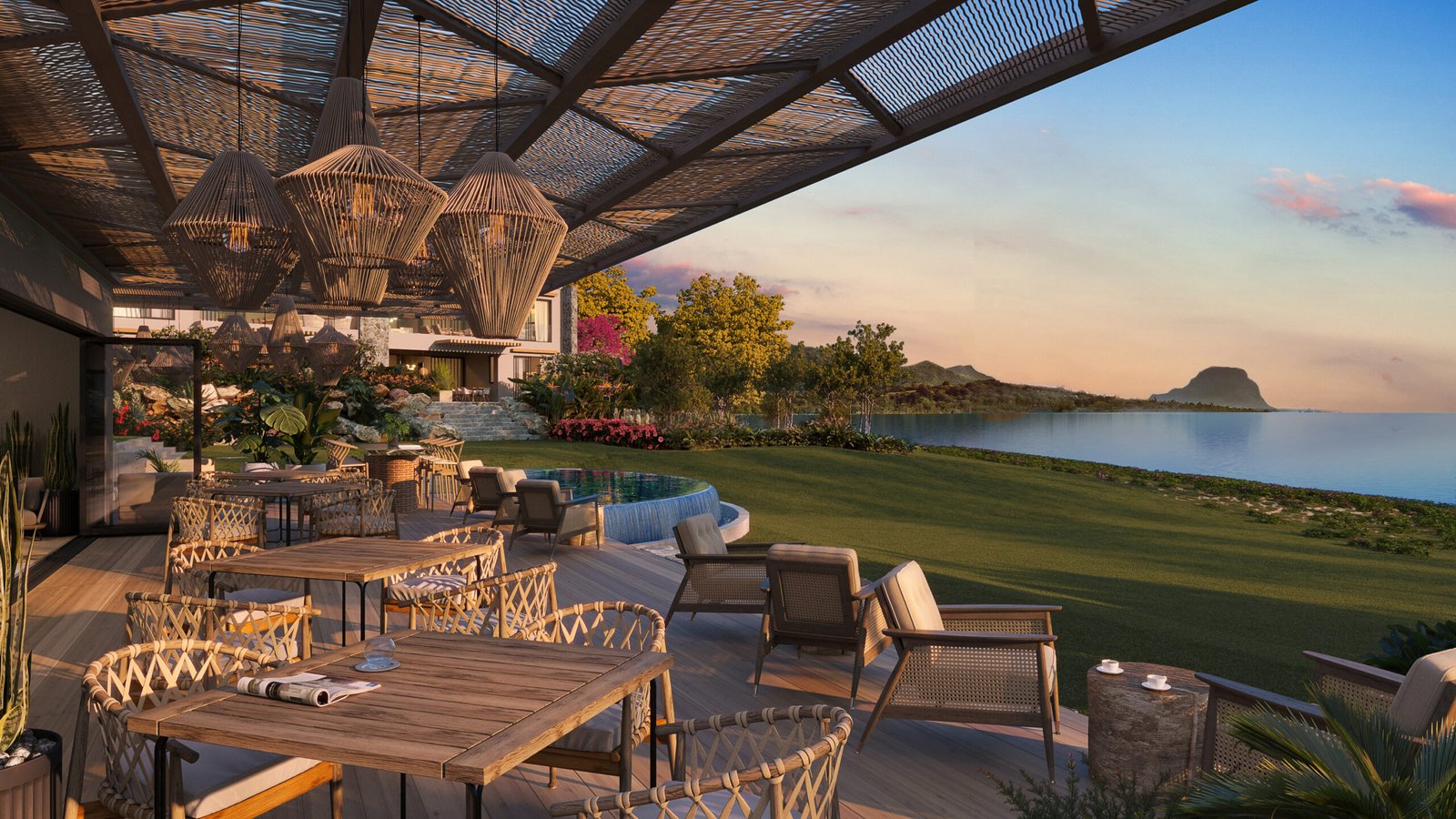
JT: Mont Choisy Smart City is being developed into an estate that will provide residents with all the services from shopping areas, to restaurant areas, to health and clinics to sports and leisure and all of this, just minutes from Grand Baie and a host of beautiful beaches and boating.
Launched in 2014 already the championship golf course, leisure centre of gym, padel and tennis is built as well as their shopping centre and medical clinic, with plans now to start their first mixed use development of more retail facilities and sports. As the estate grows so does the opportunity to enjoy more facilities. Additionally, as the estate and the facilities increase and as we near completion of the entire development land that is coastal in Mauritius is more likely to be developed in higher density environment which in the case of a smart city will include apartments and free standing homes
Buyers entering the Mauritius market often require infrastructure from a coastal town, proximity to the beach and a community of like minded expats. Free standing homes close to the beach are rarer than apartments close or on the sea. Over the next few years we are likely to see developments move further from the coast due to the limited number of parcels of land available for development.
IRHM: Mauritius is increasingly seen as a primary residence for high-net-worth individuals. Are you seeing a shift from “holiday home” buyers to families relocating full-time?
JT: Covid brought the biggest shift with an influx of European buyers relocating from France, UK and Germany and more recently we are seeing UAE based expats buying into Mauritius. With the growing infrastructure, including international schools and universities, we have seen more families with younger kids relocating. The parents are digital nomads who work remotely.
IRHM: With the residency threshold at $375,000, how has the profile of the average foreign buyer changed over the last 24 months?
JT: The USD 375k buyer tends to be an investor with relocators budgets starting around USD 500k.
The buyer profile has evolved significantly, with a noticeable surge in younger families relocating to the island. While our typical buyer used to be aged 55 and above, we are now seeing a growing number of couples in their 40s making the move. These buyers are relocating primarily from across Europe, including Switzerland and Germany, among other countries.
IRHM: How are the new sustainability and green building standards in Mauritius affecting the way you design and market luxury villas?
JT: Historically developers have implemented sustainable measures however very few Green buildings, especially coastal areas where there is a larger need for air conditioning.
IRHM: Property values in Mauritius have shown remarkable resilience. What is your outlook on capital appreciation for the “Smart City” projects over the coming years?
JT: Smart City developers have maintained very reasonable margins and we have not seen a massive increase in pricing. Developers have offered value however as developments get closer to a sell out date, we see prices increase and it is common for developers to hold back units till a later date to ensure they can extract higher values when the properties are available to be occupied.
IRHM: What is the one piece of advice you consistently give to first-time investors entering the Mauritian real estate market?
JT: My advice is location and development based, know whether you want to be close to the sea in a smaller development or whether you prefer a development with a lot of services that could be a bit further from the beach. We often advise buyers wanting the mountains, views and a great coastline to look at Tamarin on the west coast while we advise buyers wanting infrastructure, a bigger expat community and also a beautiful beach lifestyle to look at Grand Baie. Fit your requirements to a region that suits you and it is likely you will buy again so do not get too caught up on finding the perfect property. Let the agent guide you on what will best suit your budget and requirements as most agents live in their regions and know the locations best.

![[IRHM] logo](https://irhmagazine.com/wp-content/uploads/2025/08/IRHM-AWARDS-2025-1024x683.jpg)